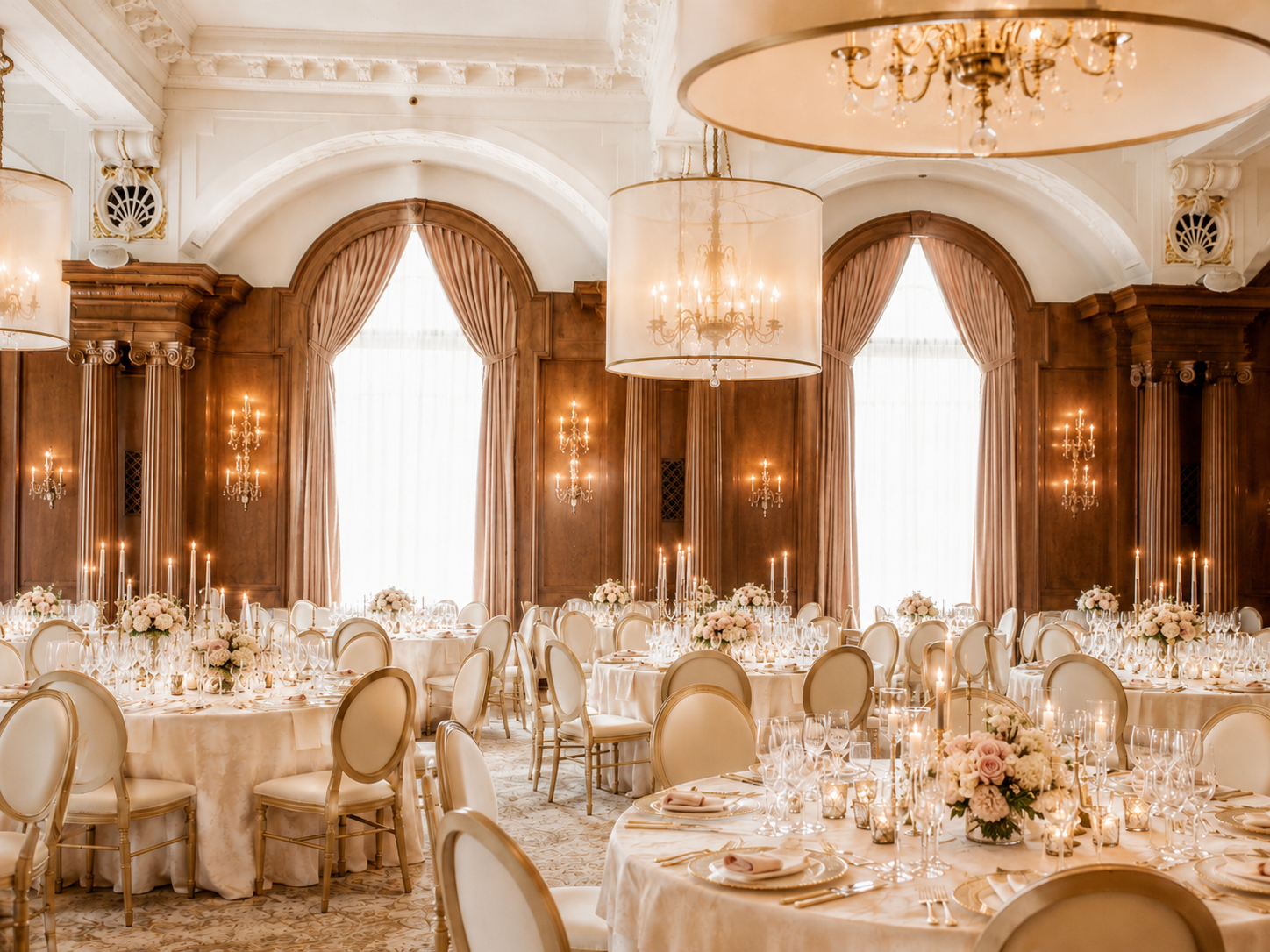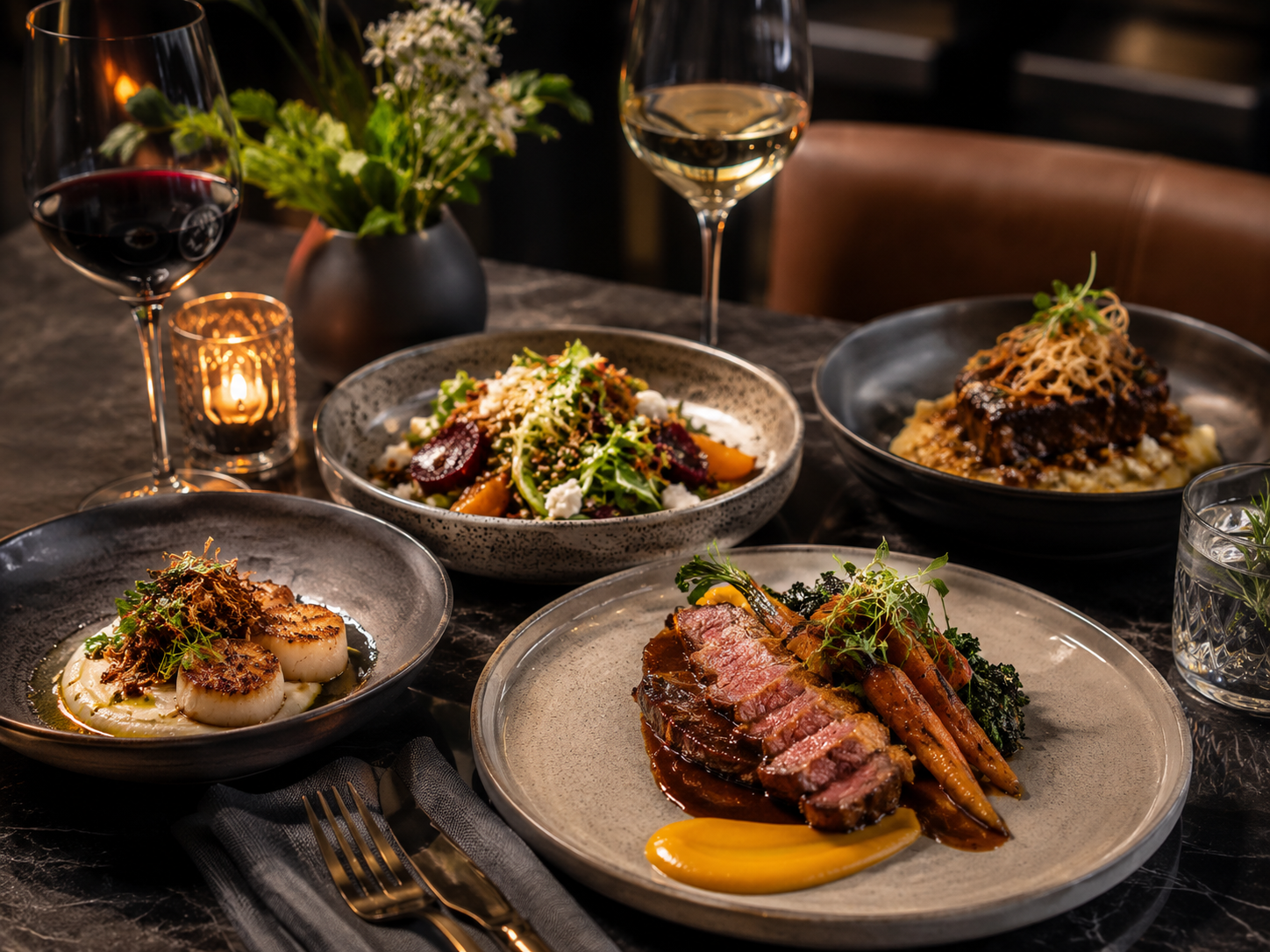

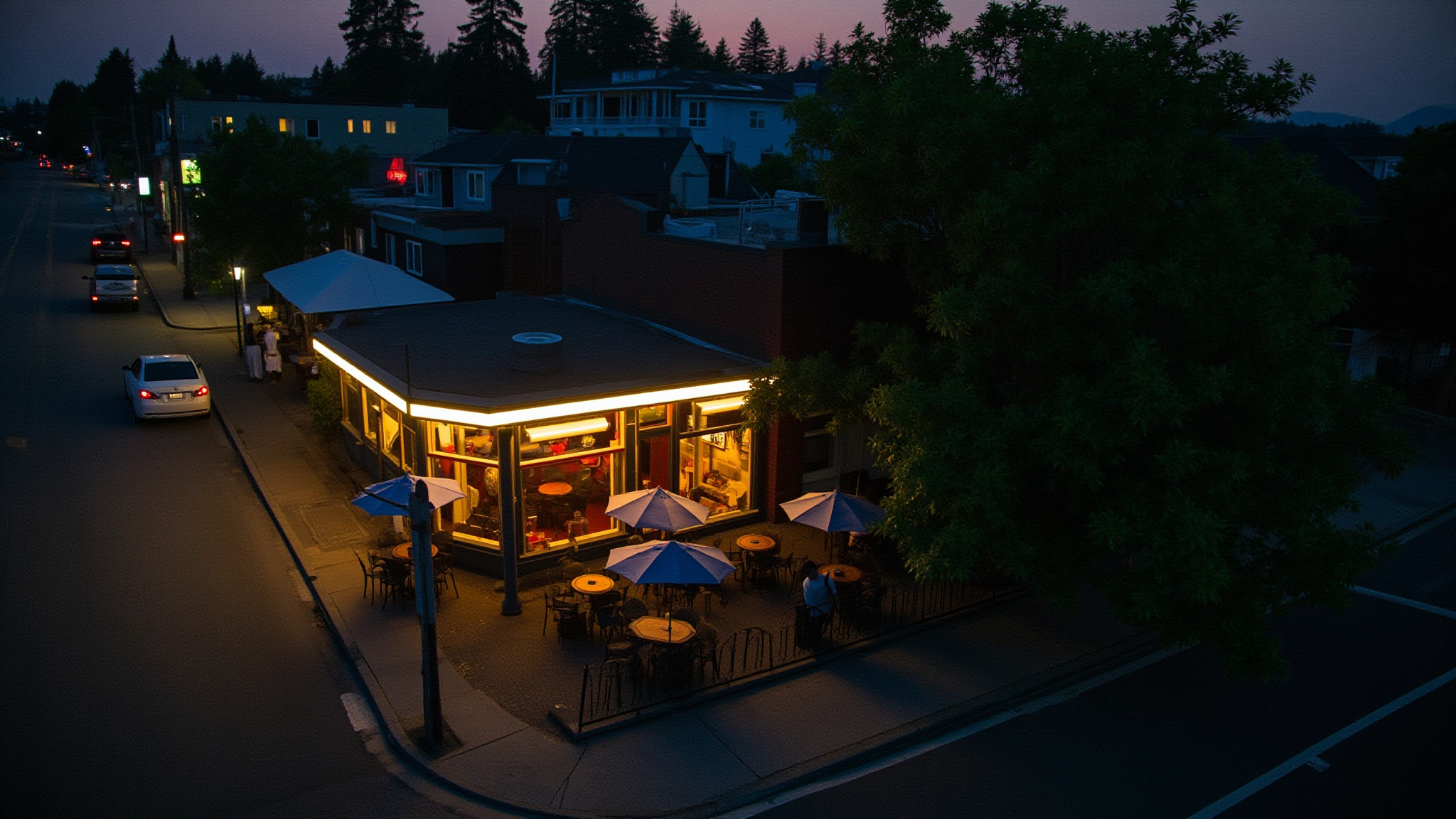
Vancouver’s restaurant culture reflects the city’s geography and demographics in a way that is visible on almost every block. The proximity to the Pacific Ocean means that BC halibut, Dungeness crab, spot prawns, and wild salmon are available fresh to restaurants that care to source them properly. The city’s large communities of Chinese, Japanese, Korean, South Asian, and Southeast Asian residents have built neighbourhood restaurant scenes of genuine depth, not the diluted versions found in cities with thinner immigrant populations. The result is a city where you can eat at serious dim sum for breakfast, walk to a Japanese ramen shop for lunch, and choose between a Korean barbecue and a modern Canadian bistro for dinner.
The independent restaurant culture in Vancouver has strengthened over the past decade, with neighbourhood clusters developing in Mount Pleasant, Commercial Drive, Chinatown, and East Vancouver that have real local character. These are not destination restaurant neighbourhoods designed for tourists but working dining scenes built by and for the people who live nearby. The combination of this independent sector with Vancouver’s exceptional Pacific Rim culinary traditions makes the city a serious eating destination for anyone arriving from elsewhere in Canada or from abroad.
Chinatown, East Hastings, and Vancouver’s Asian Dining Heritage
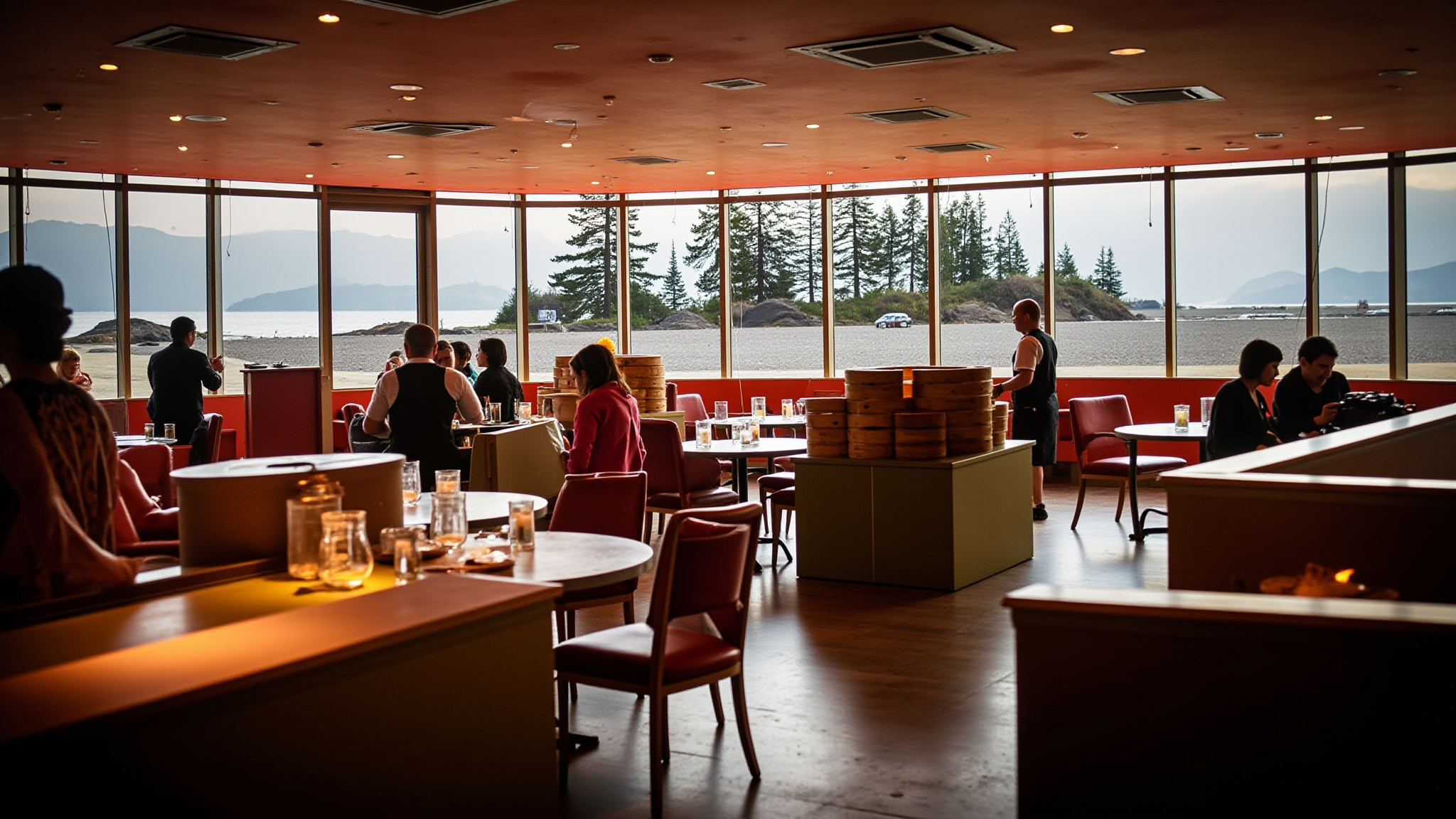
Vancouver’s Chinatown is one of the oldest and largest in North America, and the restaurants concentrated there and along the East Hastings and Kingsway corridors represent the deepest layer of the city’s Asian dining heritage. Dim sum is serious business here, with multiple large banquet-style restaurants serving Hong Kong-style yum cha from early morning through early afternoon. The har gow and siu mai at the best of these are as good as anything outside of Hong Kong, and the experience of a busy dim sum hall with carts circulating through packed tables is irreplaceable for visitors who have not encountered it before.
The east side also holds strong Vietnamese restaurant culture, with pho houses along Kingsway and East Broadway that have been operating for decades. These are not dressed-up restaurant versions of pho but genuine neighbourhood spots where a bowl of broth that has been simmered since before dawn is served with fresh herbs and a pot of tea for a few dollars. Sichuan cooking has become well established in the Richmond-to-Vancouver corridor, with several restaurants offering the full range of mapo tofu, dan dan noodles, and dry-fried dishes that define the cuisine.
Hand-pulled noodles, both the Lanzhou beef noodle variety and the broader northern Chinese style, have arrived in Vancouver over the past decade and established a strong following. Several noodle shops pull dough to order in view of the customers, and the freshness and texture of the result differs meaningfully from machine-cut noodles. This category of restaurant has expanded rapidly and the competition has driven quality upward consistently.
Main Street, Mount Pleasant, and the Independent Dining Scene
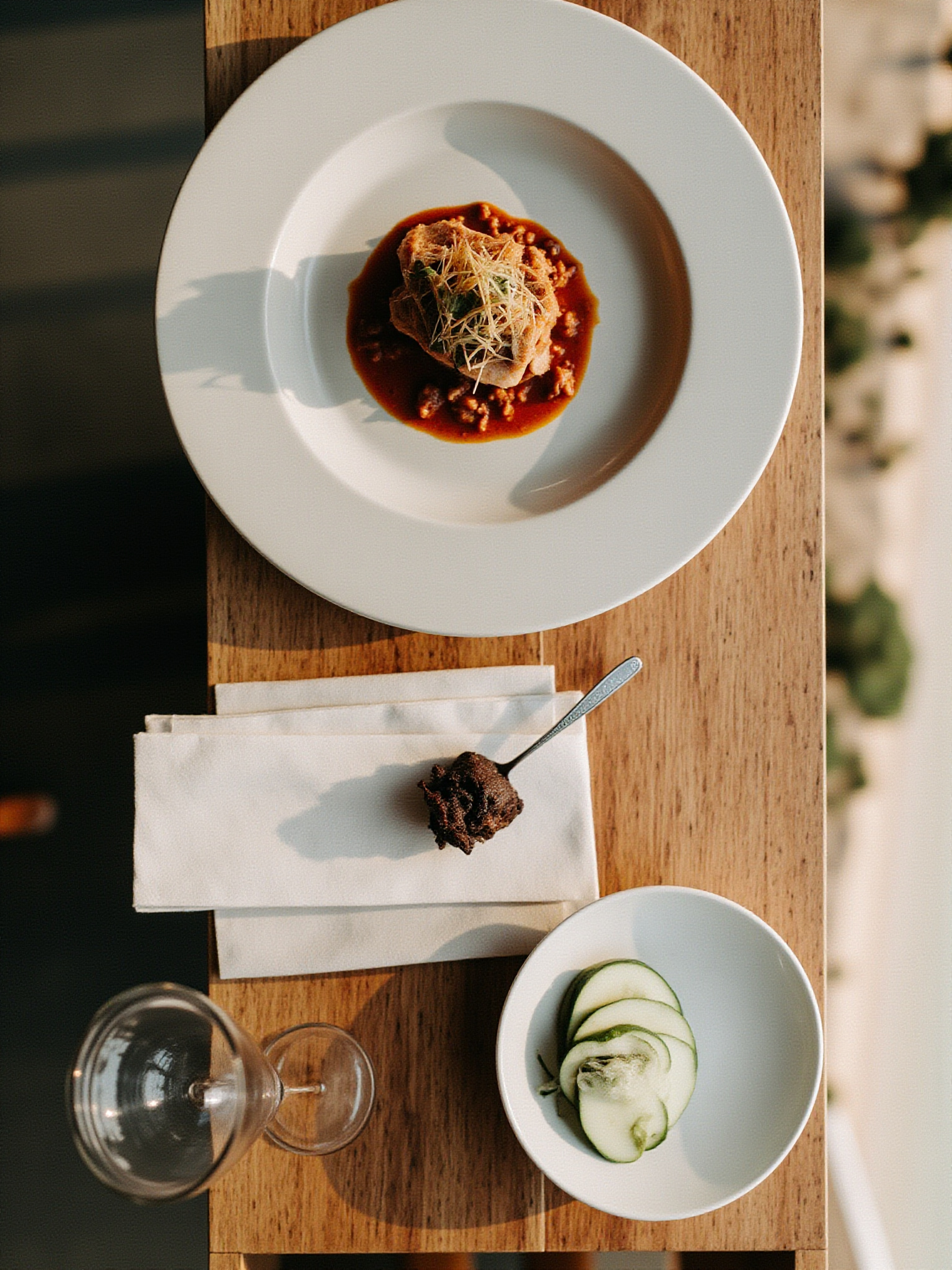
The stretch of Main Street from about Sixteenth Avenue north through Mount Pleasant has become Vancouver’s most interesting block for independent restaurant openings over the past decade. The neighbourhood’s mix of long-term residents, artists, and a younger professional population has produced a dining scene that values sourcing transparency, technique without pretension, and menus that change with the season rather than staying static. Several of the best restaurants in this cluster are small, with under forty seats, and booking ahead is worth doing for dinner on weekends.
Natural wine has found its Vancouver home in this neighbourhood. Several spots function as wine bars that also serve serious food, with lists tilted heavily toward small producers and skin-contact and low-intervention wines that change faster than conventional wine lists. The pairing of these wines with locally sourced small plates built around the Pacific Rim ingredient pantry that characterizes Vancouver cooking has produced some genuinely original dining experiences in a city already well served by conventional restaurant cuisine.
Farm-to-table as a genuine practice rather than a marketing phrase shows up in how several Mount Pleasant restaurants operate. Chalkboard seasonal additions to the menu, mid-week changes based on what arrived from the farm that morning, and menus that honestly reflect what is available in BC rather than what would look impressive on an aspirational menu are common here. The cooking level runs high for restaurants of this scale, reflecting the concentration of trained cooks who have chosen to open small independent operations rather than advance within the city’s larger restaurant groups.
Commercial Drive: Italian, European, and Neighbourhood Tradition
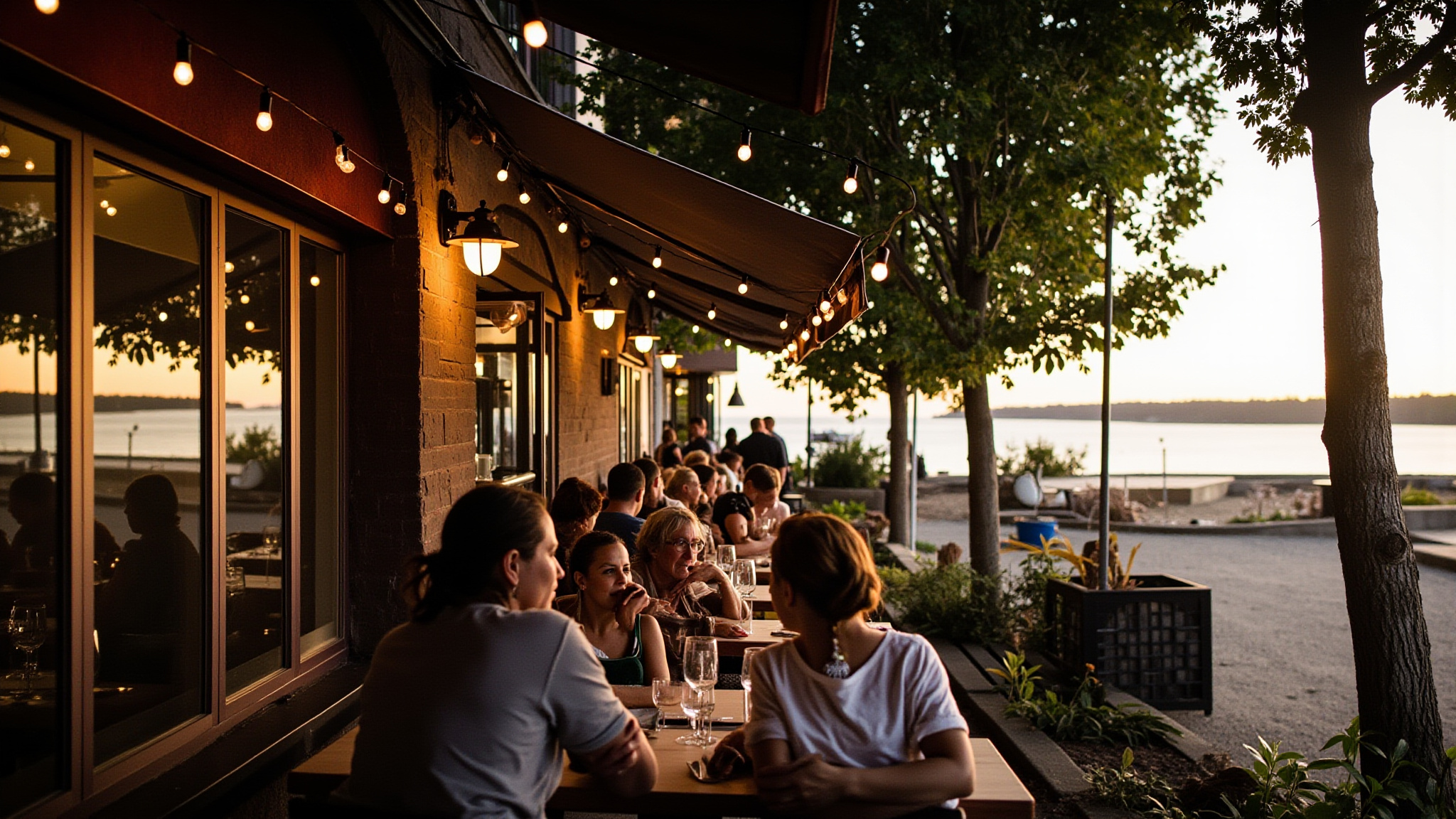
Commercial Drive’s restaurant culture is rooted in the Italian community that established itself in the neighbourhood after the Second World War, and the best of the old-school trattoria tradition still operates here. Red-checkered tablecloth trattorias serving handmade pasta, osso buco, and tiramisu in rooms that look unchanged from 1975 coexist with newer operations that express the same tradition with contemporary technique. The Italian-American diner hybrid, the continental breakfast counter, and the old-school pizzeria all have representatives on the Drive.
The neighbourhood’s ethnic diversity has expanded the dining options considerably. Ethiopian restaurants serving injera and various stews have a strong presence and are among the better Ethiopian options in the city. Salvadoran, Guatemalan, and Mexican restaurants reflect the Central American communities in the eastern part of the city. Japanese izakayas, Korean fried chicken shops, and Vietnamese sandwich counters appear among the older European establishments. The Drive at its best is a place where different communities’ food cultures sit alongside each other without any one dominating.
The Drive also has several old-school cocktail bars and Italian social clubs that have evolved into evening dining destinations, serving simple food well with a glass of wine or a Negroni. These spots tend to resist the trends that cycle through other parts of the city and maintain a consistency that regulars value. For visitors, they offer an honest look at how a neighbourhood restaurant culture develops over generations rather than through deliberate development strategy.
What Vancouver Does Best: Seafood, Ramen, and Late-Night Dining
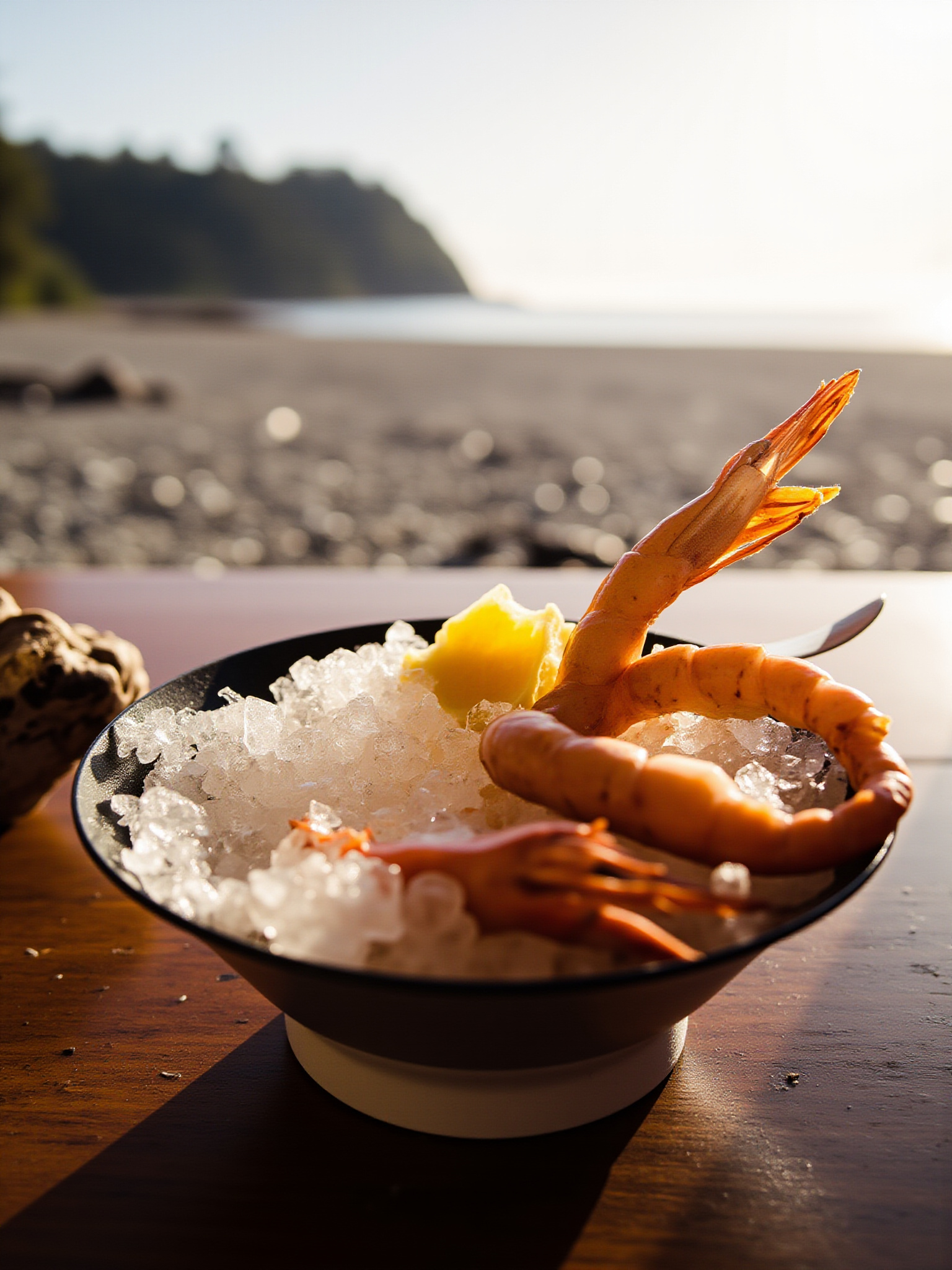
BC spot prawns are a seasonal delicacy that Vancouver restaurants treat with appropriate respect when the prawns are running, typically from mid-May through late June. The prawns are sweet, firm, and perishable, which means the best way to eat them is as close to the source as possible. Several restaurants in the city source directly from the dock and serve them simply, either sauteed in butter or as part of a seafood platter. The spot prawn festival that runs at the start of the season at False Creek is one of Vancouver’s better food events, drawing large crowds to buy from the boats directly.
Ramen culture in Vancouver is serious and well developed, with Japanese-style ramen shops operating across the city that match the quality of dedicated ramen towns in Japan. The tonkotsu, shoyu, shio, and miso styles are all available, with several shops specializing in one style. The Vancouver ramen scene is not a pale imitation of Japan; it reflects the genuine skill of Japanese operators who have settled in the city and built long-running restaurants. Waits at the best ramen spots on cold or rainy evenings are long and considered worth it.
Late-night Chinese dining is a Vancouver institution that visitors from other Canadian cities consistently note as distinctive. Congee and noodle houses in Richmond and East Vancouver serve full menus past midnight on weekends, and the culture of eating a proper hot meal after midnight is embedded in how a significant portion of the city’s population thinks about the end of an evening. Several of the best late-night spots are in Richmond, a twenty-minute drive or SkyTrain ride from downtown, but the extended hours culture extends into Chinatown and East Vancouver as well.
Neighbourhoods to Explore for Vancouver Dining
Richmond, immediately south of Vancouver across the Fraser River, deserves mention in any honest account of Vancouver area dining. The city’s large Chinese and Southeast Asian communities have built a restaurant culture there that rivals anything in the city proper, with dim sum, hot pot, Cantonese seafood, and Taiwanese bubble tea shops of exceptional quality. The Aberdeen and Lansdowne areas have concentrations of Asian restaurants that are destinations for food-focused visitors as well as for locals.
Gastown and Yaletown offer higher-end dining with a more design-conscious atmosphere. Several of the city’s most acclaimed restaurants have chosen Gastown’s heritage buildings for their rooms, and the neighbourhood has attracted a cluster of serious operators over the past decade. Yaletown’s False Creek waterfront position makes for scenic dining rooms, and several hotel restaurants in this area maintain quality levels that merit seeking out.
Robson Street, while primarily known as a shopping destination, has a concentration of Japanese restaurants that reflects both the local Japanese community and Vancouver’s historic connections with Japan. Robson Street between Denman and Burrard was known as Robsonstrasse in an earlier era for its concentration of European delis and coffee shops, and it retains a cosmopolitan dining character across its considerable length.
Practical Tips for Dining in Vancouver
Reservations at popular independent restaurants are worth making a week ahead for weekend evenings. The small restaurants in Mount Pleasant and Main Street in particular fill quickly, and walk-in tables on Saturday night at the better-regarded spots are rarely available. OpenTable and Tock are the most commonly used booking platforms in the city.
Dim sum restaurants in Chinatown and Richmond are at their best for the traditional cart service on weekend mornings, when the full range of items is being produced and the hall is busy enough to ensure the food is fresh. Arriving between ten and eleven gives you the peak cart circulation. Several of the best dim sum houses do not take reservations, so arriving at opening time is the reliable strategy.
Many of Vancouver’s best noodle, ramen, and East Asian restaurants accept cash only or have minimum card amounts. Having some cash available avoids the awkward moment at the end of a meal. This is less common than it was but still worth knowing.
The BC restaurant liquor license system means that some small restaurants cannot serve alcohol and do not have a corkage option. Others have a bring-your-own-wine arrangement with a modest corkage fee. Checking ahead is worth doing if wine with dinner matters to you, particularly at smaller neighbourhood spots.
Questions Often Asked
What is the best neighbourhood for restaurants in Vancouver?
Main Street and Mount Pleasant have the strongest concentration of well-regarded independent restaurants with seasonal menus and local sourcing. For Asian cuisine, Chinatown and Richmond offer the greatest depth. Commercial Drive is the best choice for a neighbourhood eating atmosphere with Italian and European roots.
Where can I find the best dim sum in Vancouver?
The traditional large-format dim sum houses in Chinatown and in Richmond are the reference points. The best approach is to arrive at one of the well-reviewed banquet-style restaurants between ten and eleven on a weekend morning for the full cart service experience.
Do I need reservations at Vancouver restaurants?
For popular independent restaurants, especially in Mount Pleasant and Gastown, reservations on weekend evenings are strongly recommended. Dim sum, ramen, and many East Asian restaurants typically do not take reservations and work on a walk-in basis.
When can I find BC spot prawns in Vancouver restaurants?
BC spot prawns are typically available from mid-May through late June. The False Creek Fishermen’s Wharf hosts a spot prawn festival at the start of the season where you can buy directly from the boats. Restaurants source them during this window, so menus in May and June often feature them prominently.