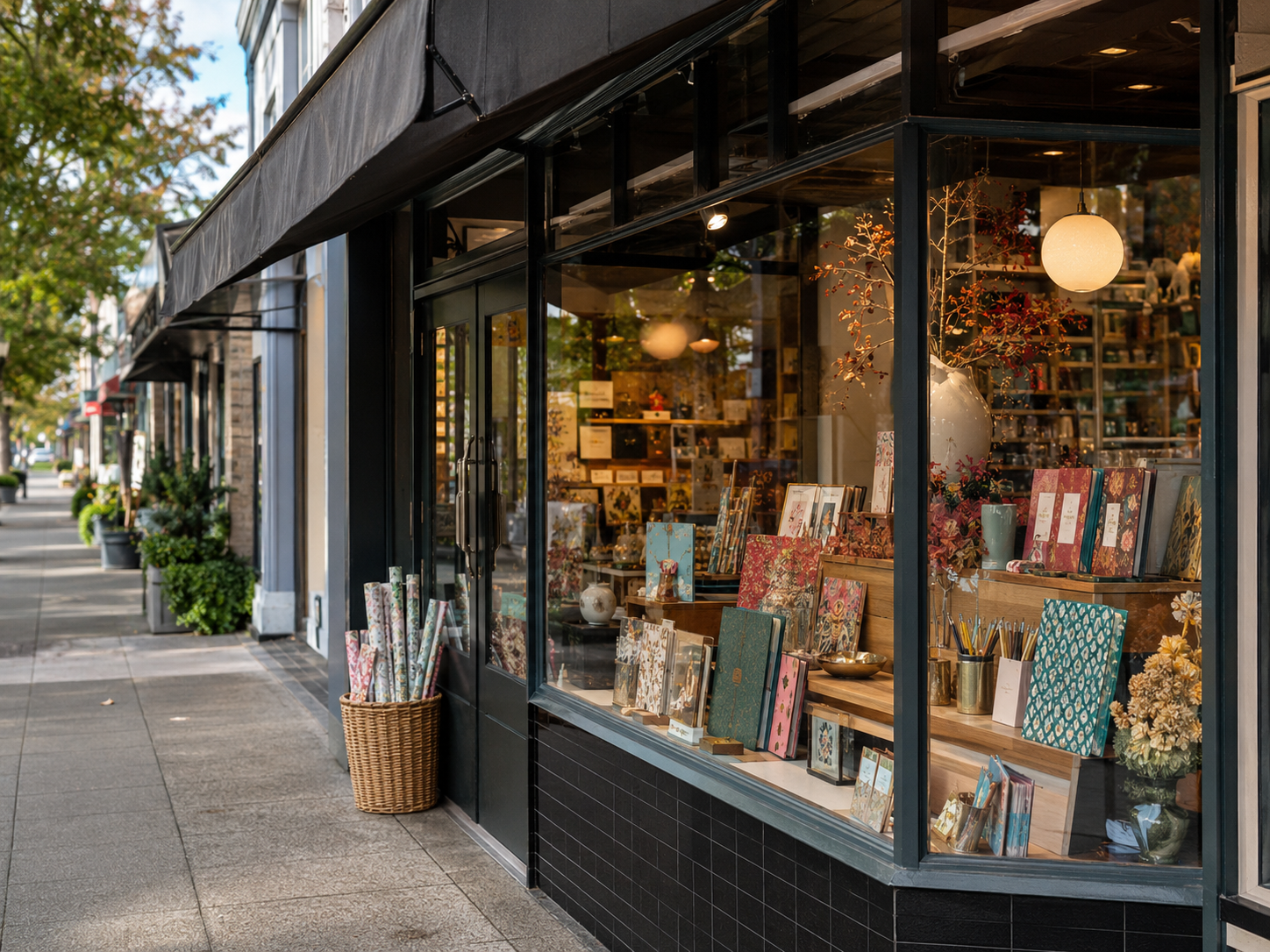

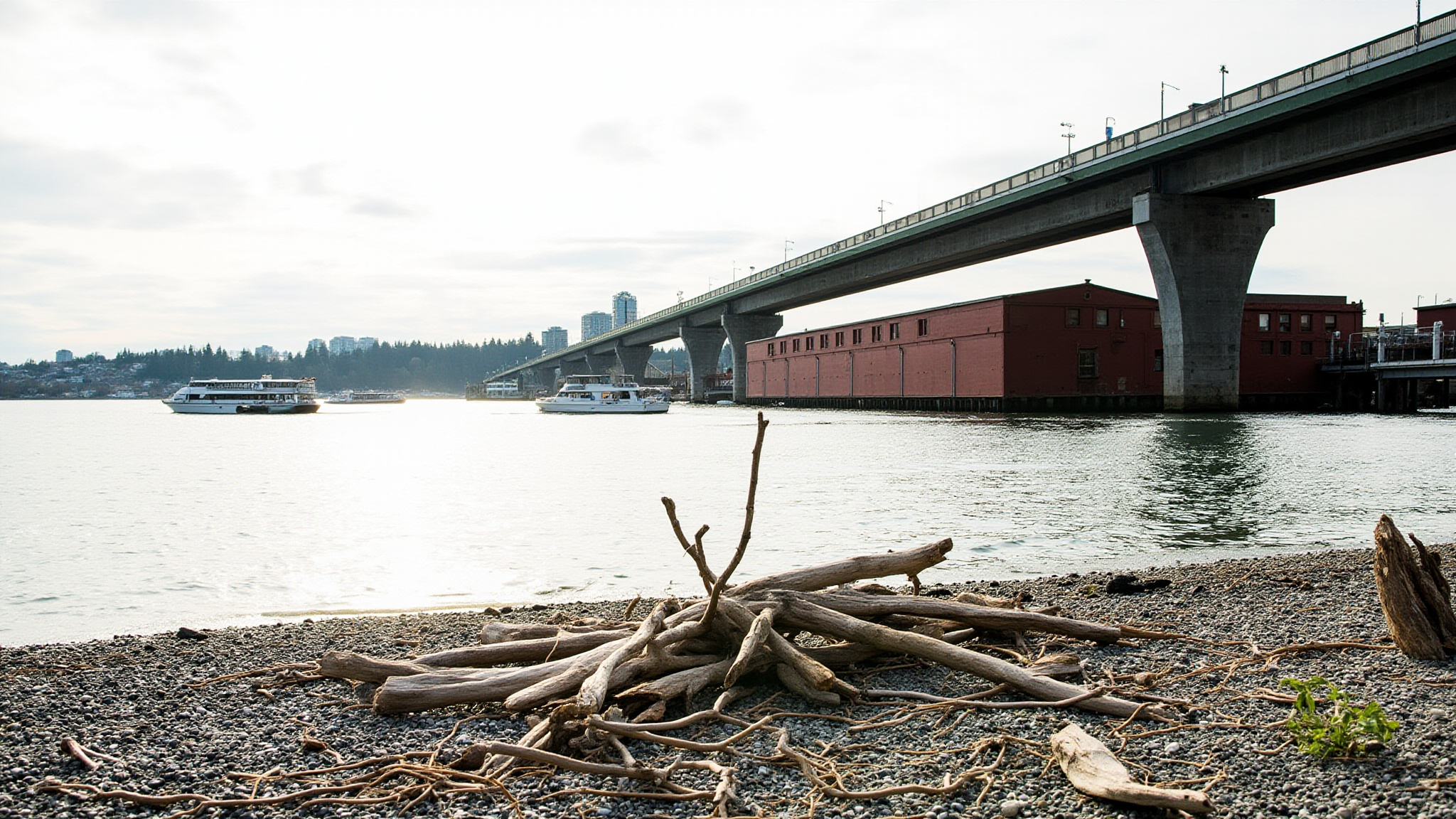
Granville Island is one of those rare urban spaces that genuinely rewards slow exploration. Sitting beneath the Granville Bridge on the south side of False Creek, it is reached by a single road that loops under the bridge and back out, giving the island a contained, almost village-like quality despite being just minutes from downtown. The industrial buildings that housed foundries and metalworks in the first half of the twentieth century were preserved when the federal government converted the area in the 1970s, and their large floor plates and high ceilings now house a public market, arts studios, a university, theatres, and dozens of independent businesses.
The Granville Island Public Market is the anchor and the most visited destination, but the island rewards visitors who venture beyond it into the quieter courtyard spaces, the Net Loft galleries, the working studios where you can watch ceramicists and glassblowers at work, and the waterfront seating areas that look back across False Creek toward the downtown skyline. Water access from multiple points around the shoreline, including regular Aquabus ferries from downtown and from the Science World side of the creek, gives the island a different relationship with the water than most Vancouver destinations.
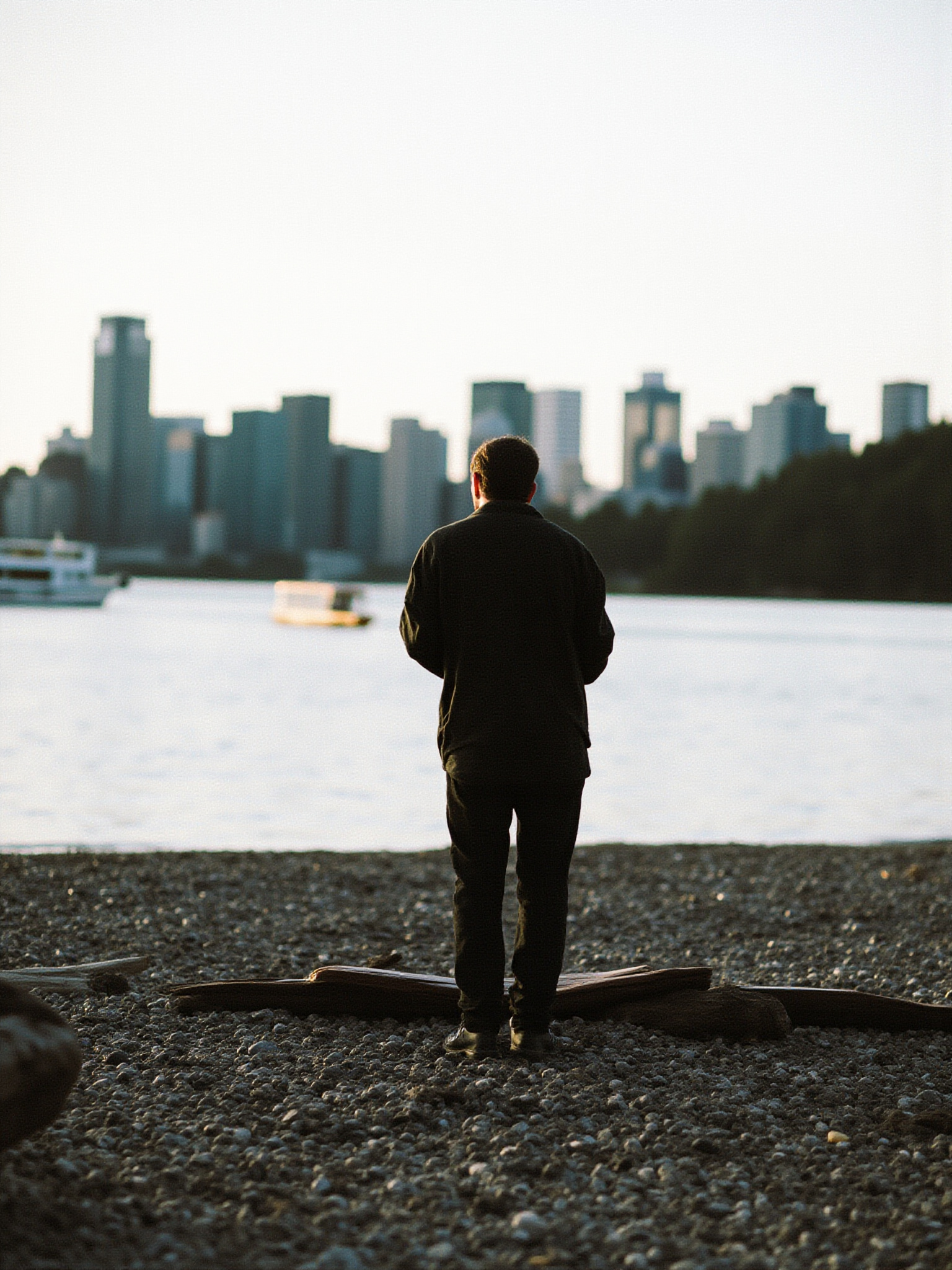
The Granville Island Public Market
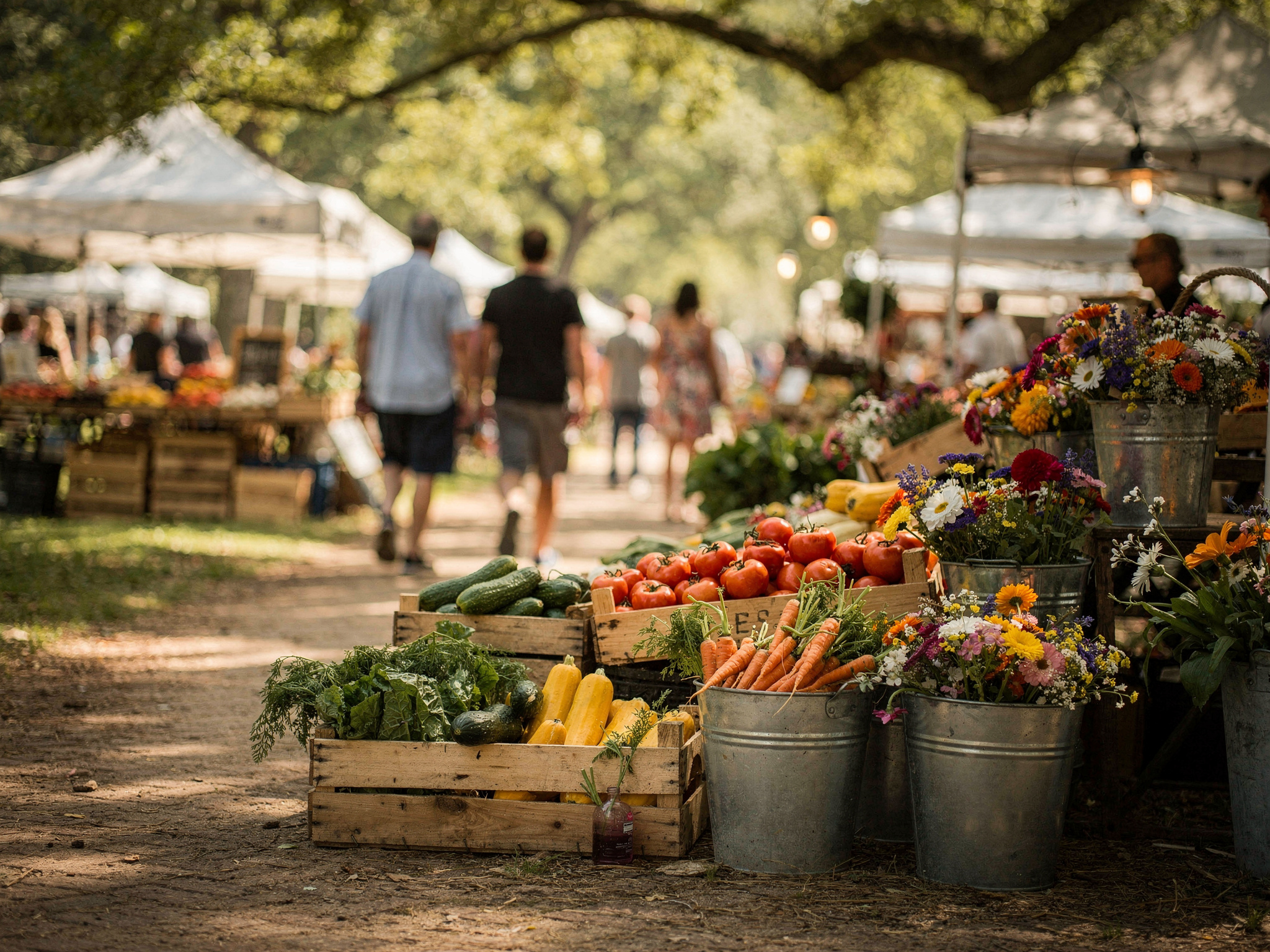
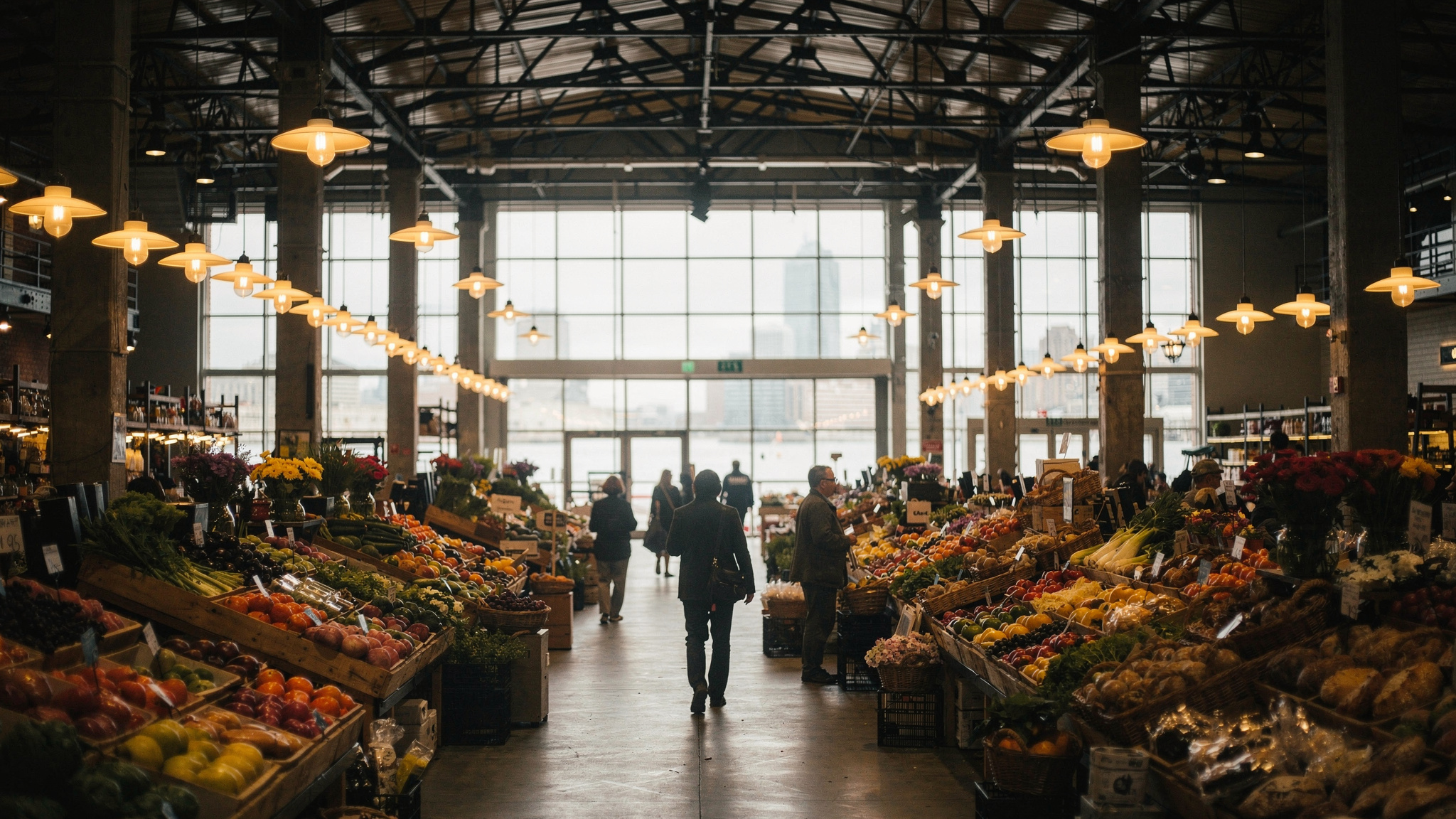
The Public Market occupies the largest indoor space on the island and operates daily year-round, with a concentration of stalls selling fresh produce, seafood, baked goods, cheese, charcuterie, and prepared foods. The market reflects the agricultural richness of the Fraser Valley and the BC coast: Okanagan stone fruit in summer, chanterelle mushrooms from Vancouver Island foragers in fall, geoduck and Dungeness crab from coastal fishermen, and greenhouse tomatoes and peppers from local growers. The quality of the raw ingredients has always been the market’s primary distinction from a typical urban food hall.
The prepared food section of the market runs along one side and includes stalls selling everything from Malaysian laksa to BC-style salmon chowder to fresh-squeezed juice. These stalls operate at lunch pace and create a genuine crowd around the central communal seating area at midday. The outdoor seating on the False Creek side of the market building is the preferred option when weather permits, offering views of the water and the small boat traffic crossing the creek. The Aquabus ferry ties up just outside the market’s east entrance.
Several specialty vendors have been at the market for decades and have become institutions in their own right. The BC seafood counter sells live spot prawns in season, smoked sockeye, and fresh halibut. The cheese vendor carries a serious selection of Canadian and imported cheeses, and the breadlines at the better bakers on weekend mornings reflect genuine demand rather than theatre. Shopping here is more expensive than a supermarket but the access to locally sourced and artisan-made products justifies it for the ingredients that matter.
Arts Studios, Galleries, and the Net Loft
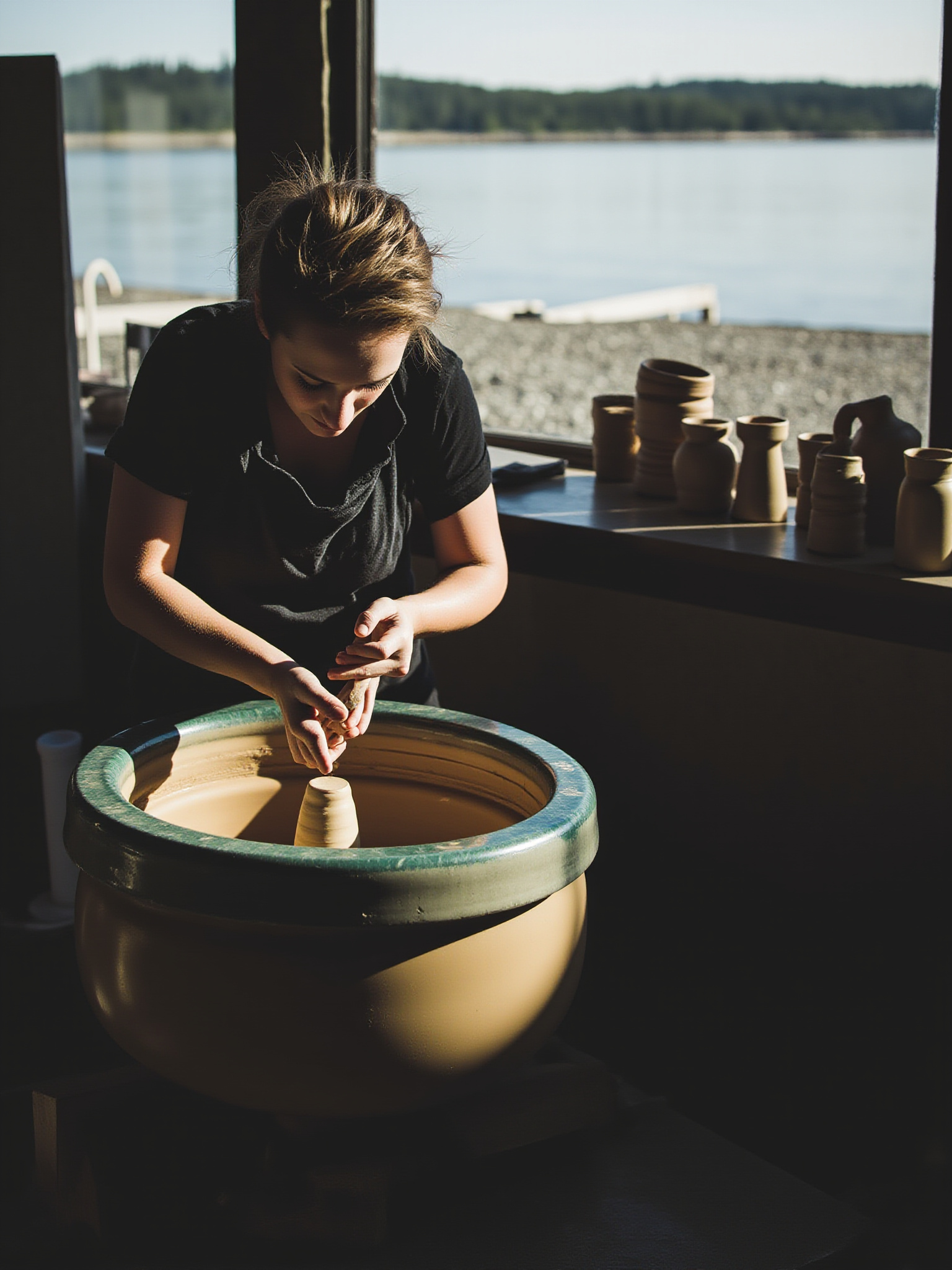
The Net Loft building, a short walk from the Public Market through the central courtyard, houses a collection of arts and crafts galleries, studios, and specialty retail. The building gets its name from its former use as a net storage facility for the fishing industry that once operated throughout False Creek. Today its tenants include jewellers, printmakers, hand-weavers, and ceramicists, many of whom work in visible studio spaces. The quality of the work here runs genuinely high, and browsing the Net Loft provides a concentrated look at contemporary BC craft production.
Across the island, a network of working studio buildings houses artists and craftspeople who lease space from Canada Mortgage and Housing Corporation, which still owns and administers Granville Island. The studios are deliberately integrated with the public spaces rather than separated from them, meaning it is common to walk past a window and see a glassblower at the furnace or a sculptor finishing a piece. Several studio buildings have regular open studio events, and the Craft Council of BC maintains a presence on the island with exhibition programming throughout the year.
Emily Carr University of Art and Design was previously located on Granville Island and its move to the Main Street campus in 2017 created some reorganization of the island’s arts programming. The space it occupied has been absorbed into expanded studio and gallery use, and the student energy that the university brought still flows through the island in the form of galleries showing emerging work and residency programs that bring artists from across Canada to work on the island.
Waterfront Restaurants and Eating Around the Island
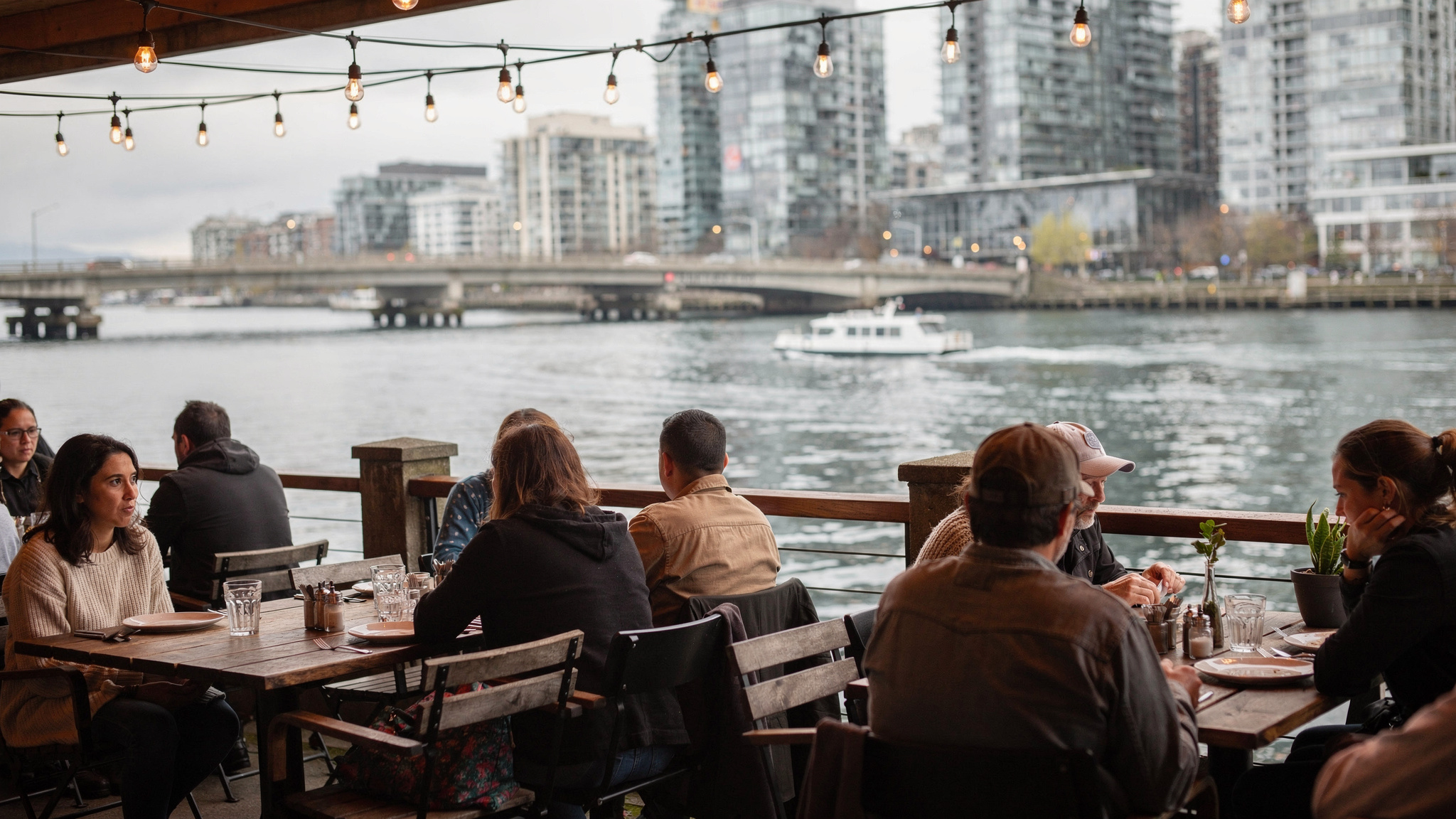
The waterfront facing False Creek and the downtown skyline is some of the most scenic restaurant real estate in Vancouver. Several restaurants on Granville Island position their patios to take full advantage of this, with views of the creek, the Aquabus ferries passing, and on clear days the mountains behind the North Shore. Tables on these patios are in demand from May through September, and arriving at the beginning of lunch or dinner service gives the best chance of a waterfront seat without a long wait.
The range of eating options on the island extends well beyond the Public Market. Breweries with taprooms and pub menus have established themselves in the former industrial buildings, drawing an afternoon crowd that often arrives after a visit to the market. Several independent restaurants in the commercial blocks focus on BC ingredients prepared simply, reflecting the island’s general ethos of quality sourcing over elaborate presentation. Fish and chips made with fresh halibut or cod are a natural choice given the proximity to the seafood vendors in the market.
The island’s coffee and pastry options have improved significantly in recent years, with cafes now occupying several courtyard-facing spaces that are pleasant for a mid-visit break. The combination of a strong flat white and a pastry from the market bakers, eaten at an outdoor table with water views, is one of the simpler pleasures available in Vancouver and requires no reservation or planning beyond getting to the island before the late-morning crowds.
Kids Market, Water Activities, and the False Creek Scene
The Kids Market, located at the island’s east end, has operated since 1979 and remains one of the few spaces in Vancouver designed specifically for children with genuinely independent small businesses selling toys, games, books, and creative supplies. The two-storey building houses dozens of small shops, many of them long-established, and the atmosphere is noticeably different from the commercial tone of chain toy retailers. Children spend far more time here than adults expect them to, which is presumably the point.
False Creek water tours and rentals are available from several operators on Granville Island’s waterfront. Kayaks and standup paddleboards can be rented for self-guided paddles around the creek, and the False Creek water surface is calm enough for beginners for much of the year. The Aquabus water taxi service connects Granville Island to several points around False Creek including the Hornby Street dock downtown, the David Lam Park dock in Yaletown, and the Main Street dock near Science World. The ferry crossing takes about five minutes from the downtown dock and is a satisfying way to arrive and depart.
The Seaside Greenway bikeway passes along the False Creek shoreline and connects Granville Island to Vanier Park and the Kitsilano beaches to the west, and to Olympic Village and the Science World area to the east. Cyclists and pedestrians using the greenway can stop at Granville Island without retracing their route, making the island a natural midpoint on a longer waterfront exploration. The connection to Vanier Park, which includes the Vancouver Museum and the H.R. MacMillan Space Centre, makes for a full half-day itinerary from a single stretch of the False Creek waterfront.
Getting to Granville Island
The Aquabus water taxi is the most atmospheric way to reach Granville Island from downtown. Ferries depart from the Hornby Street dock at the foot of Hornby Street near the Vancouver Art Gallery, and from the Yaletown dock at David Lam Park, with crossings running every few minutes during operating hours. The Aquabus also connects to the Stamp’s Landing dock on the south side of False Creek and to the Spyglass Place dock further east.
Cycling to Granville Island via the Seaside Greenway from either the downtown seawall or from Kitsilano is a practical and pleasant option. The route is flat, well-marked, and passes through the Vanier Park area before looping under the Granville Bridge to the island’s entrance. Bike parking is available near the market and throughout the island. The cycling route from downtown is approximately four kilometres.
Driving to Granville Island is possible but parking is limited and the approach road, which loops under the Granville Bridge, can back up on busy weekends. The parking lot fills quickly from late morning on, and the time spent finding parking often exceeds the time saved compared to arriving by ferry or bike. Public transit via buses on Broadway and Granville Street brings you close to the island, with a short walk down Anderson Street to the entrance.
Practical Tips for Visiting Granville Island
The Public Market is at its busiest between eleven in the morning and two in the afternoon on weekends. Arriving before ten when the market opens gives you the best access to the produce and seafood vendors, the freshest baked goods, and the most comfortable experience of the space without the midday crowd.
The island has no admission charge. The Aquabus ferry costs a few dollars per crossing and is well worth it for the experience of arriving and departing by water. Return ferry tickets can be purchased from the ferry operators at the docks.
Most of the studios and galleries are open daily but hours vary by vendor. The Thursday to Sunday period tends to have the most studio activity and the highest proportion of artists working in visible studio spaces. The Granville Island website maintains an events calendar with open studio dates and special programming.
Parking on the island itself is limited and managed with a pay parking system. The city-owned parking structure is the main lot. Arriving by bike, on foot via the Burrard Bridge, or by Aquabus from downtown eliminates the parking challenge entirely and improves the overall experience of the visit.
Questions Often Asked
How do I get to Granville Island from downtown Vancouver?
The most enjoyable route is the Aquabus water taxi from the Hornby Street dock, which takes about five minutes and drops you at the market entrance. Cycling via the Seaside Greenway takes about fifteen minutes from the downtown seawall.
Is Granville Island Public Market open every day?
Yes, the Public Market is open daily. It is closed on certain statutory holidays, so checking ahead for Christmas Day and a few other holidays is worth doing if you are planning around those dates.
What should I buy at the Granville Island Public Market?
BC seafood, including fresh halibut, cured salmon, and live spot prawns in season, is among the best you will find in the city. The cheese selection, fresh-baked breads, and Okanagan fruit when in season are also highlights.
Is there parking at Granville Island?
Yes, there is paid parking in a lot on the island, but it fills quickly on weekend mornings. Arriving by Aquabus, cycling, or walking from the Granville Bridge avoids the parking challenge entirely.