
Long before the skyline, the bridges, and the seawall, this was a place of dense forest, salmon-rich water, and villages that had stood for thousands of years. We love that you can still feel that history in the city around us, in a place name, an old brick storefront in Gastown, or a quiet afternoon at a museum in Vanier Park. This is a short walk through Vancouver’s story, from its Indigenous roots to the city we know today, and a few good places to go and experience it for yourself.
Indigenous Foundations: Musqueam, Squamish, And Tsleil-Waututh
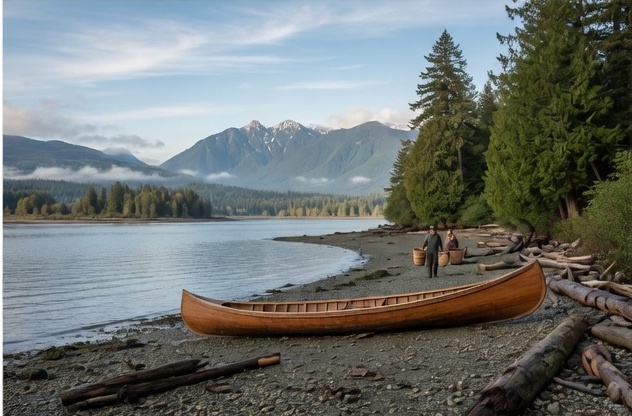
Vancouver’s story does not begin in 1886. It begins thousands of years earlier, on land that has always been home to the Coast Salish peoples. The city sits on the traditional, ancestral, and unceded territories of the Musqueam, Squamish, and Tsleil-Waututh Nations, whose ancestors settled here more than 8,000 years ago. Their villages, fishing sites, and trade networks reached across Burrard Inlet, False Creek, and the mouth of the Fraser River.
You can still find that history woven through the city. The Musqueam village of c̓əsnaʔəm, near the mouth of the Fraser, is one of the oldest known settlements in the region. When the Squamish, Musqueam, and Tsleil-Waututh peoples travelled these waters by canoe to fish, clam, and hunt, they were shaping a relationship with this place that continues today. We think the best way to understand Vancouver is to start there, with the people who have cared for this land far longer than there has been a city on it.
From Gastown To Cityhood: How Vancouver Began
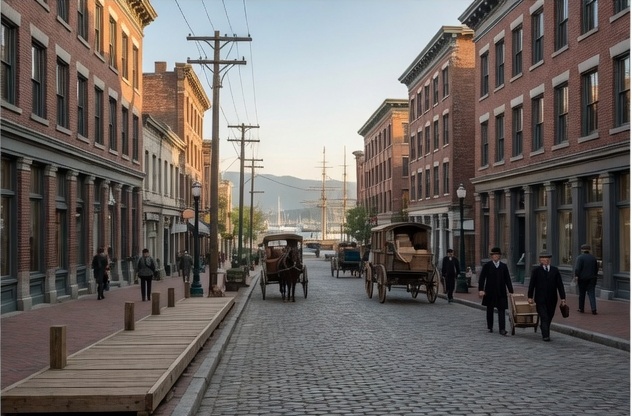
The Vancouver most of us picture started small and a little rough around the edges. European settlement grew in the 1860s around a sawmill on Burrard Inlet, but the real spark was a saloon. In 1867, Captain John “Gassy Jack” Deighton opened a bar near the mill, and the settlement that gathered around it picked up the nickname Gastown. It was officially named Granville in 1870.
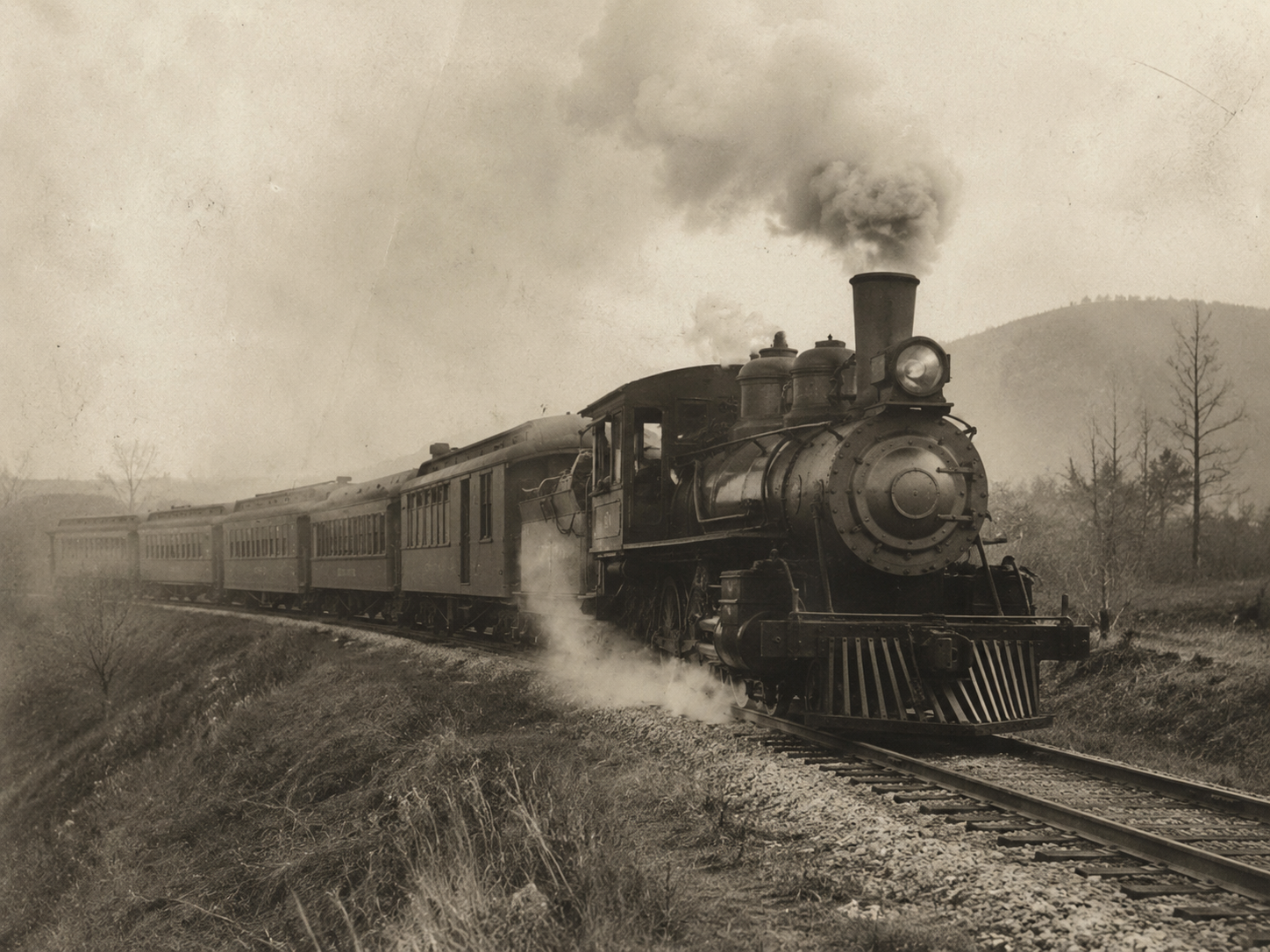
Everything changed when the Canadian Pacific Railway chose this harbour as the western end of its line. On April 6, 1886, the provincial legislature incorporated the City of Vancouver, a name suggested by CPR Vice-President William Van Horne in honour of Captain George Vancouver, who had charted these shores in 1792. The young city’s first mayor was Malcolm MacLean. From a muddy mill town, Vancouver was suddenly on the map as the Pacific terminus of a national railway.
The Great Fire Of 1886
Vancouver was barely two months old when it nearly disappeared. On Sunday, June 13, 1886, land-clearing fires west of the settlement got away from the crews tending them, and a strong wind drove the flames into town. The city was built almost entirely of fresh-milled lumber, and it went up astonishingly fast. By some accounts the heart of Vancouver burned in well under an hour, with eyewitnesses saying the city did not so much burn as explode.
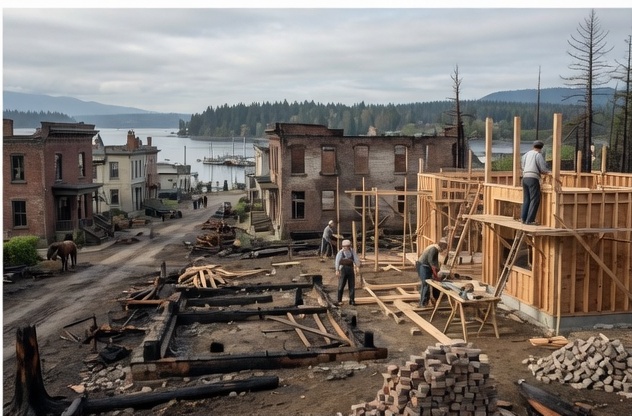
In the middle of that disaster came an act of extraordinary courage that went largely unacknowledged for more than a century. Squamish people, including a woman named Agnes Lacket Joe, paddled dugout canoes across Burrard Inlet to pull survivors from the water and carry them to safety at their village. The Squamish community’s heroism that day was formally acknowledged by the City of Vancouver in 2017. The city rebuilt almost immediately, this time in brick and stone, and that quick recovery became part of Vancouver’s character.
Museums, Archives, And Historic Sites
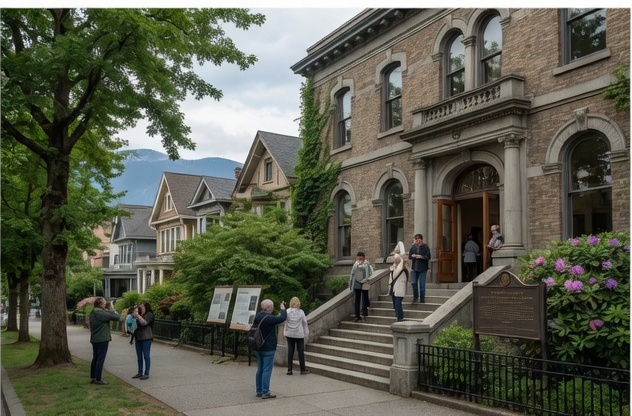
If you want to step into Vancouver’s past, the city makes it easy. A few of our favourite places to start:
The Museum of Vancouver in Vanier Park is the oldest museum in the city and the largest civic museum in Canada, founded back in 1894. Its galleries walk you through the city’s twentieth century, from early settlement to the neon-lit streets of mid-century Vancouver, alongside a thoughtful exhibition developed with the Musqueam people about c̓əsnaʔəm. It is a five-minute drive from downtown, or a lovely stroll along the water from Kitsilano Beach or Granville Island.
The Old Hastings Mill Store is the oldest surviving building in Vancouver, one of the very few structures to come through the Great Fire. When the Hastings Mill site was slated for demolition in the late 1920s, a group of women known as the Native Daughters of B.C. saved the building and had it barged to its current home on Alma Street, where it reopened as a museum in 1932. Inside you will find Vancouver’s first City Council table and an eclectic collection of early-city curios.
For the city’s grittier side, the Vancouver Police Museum in Gastown is housed in the former Coroner’s Court and City Morgue, a 1932 heritage building, with exhibits on true crime and city history. And when you want to dig into the records yourself, the City of Vancouver Archives holds the official memory of the city. It grew from the personal collection of Major J.S. Matthews, who settled here in 1898 and spent decades gathering photographs, documents, and the stories of Vancouver’s earliest residents.
A Walk Through Gastown
You do not need a museum ticket to touch Vancouver’s history. A walk through Gastown puts you on the city’s original streets, where it all began. The cobblestones, the cast-iron lampposts, and the famous steam clock make it one of the most atmospheric corners of the city, and the heritage buildings here were among the first rebuilt in brick after 1886. It is a reminder that the original townsite, the Gastown and Chinatown blocks near the waterfront, is still the historic heart of Vancouver.
Modern Vancouver: Growth And What Comes Next
From a settlement of around a thousand people in 1886, Vancouver has grown into the largest city in British Columbia and one of the most diverse in Canada, with more than 660,000 residents in the city itself and millions more across the wider region. The waves of people who arrived to build the railway, work the port, and make a life here gave the city the multicultural character it is known for today.
That growth comes with real conversations about the city’s future. Vancouver is hemmed in by water on three sides and by the Burnaby boundary on the fourth, so there is little room to expand outward. Instead, the city keeps reinventing the land it has, balancing housing, transit, green space, and heritage. You can see that tension and that creativity playing out across the city, from the towers of downtown to the debates over how best to use large public spaces. Vancouver’s story is still being written, and that is part of what makes living here interesting.
Questions People Often Ask
What Is Vancouver, BC Known For Historically?
Vancouver is known for its deep Indigenous history as the home of the Musqueam, Squamish, and Tsleil-Waututh Nations, for its beginnings as the railway town that grew out of Gastown, and for the Great Fire of 1886 and the rapid rebuild that followed. It became the major Pacific port linking Canada to Asia and the world.
When Was Vancouver Founded?
The City of Vancouver was incorporated on April 6, 1886, and named after Captain George Vancouver. The land, of course, has been home to Coast Salish peoples for thousands of years before that.
Why Is It Called Vancouver?
The name was suggested by CPR Vice-President William Van Horne to honour British naval Captain George Vancouver, who surveyed this coastline in 1792. His name is shared with nearby Vancouver Island.
What Are People From Vancouver, BC Called?
People from Vancouver are called Vancouverites, and most of us wear the name happily. Long-time families and people who moved here last month get called the same thing.