
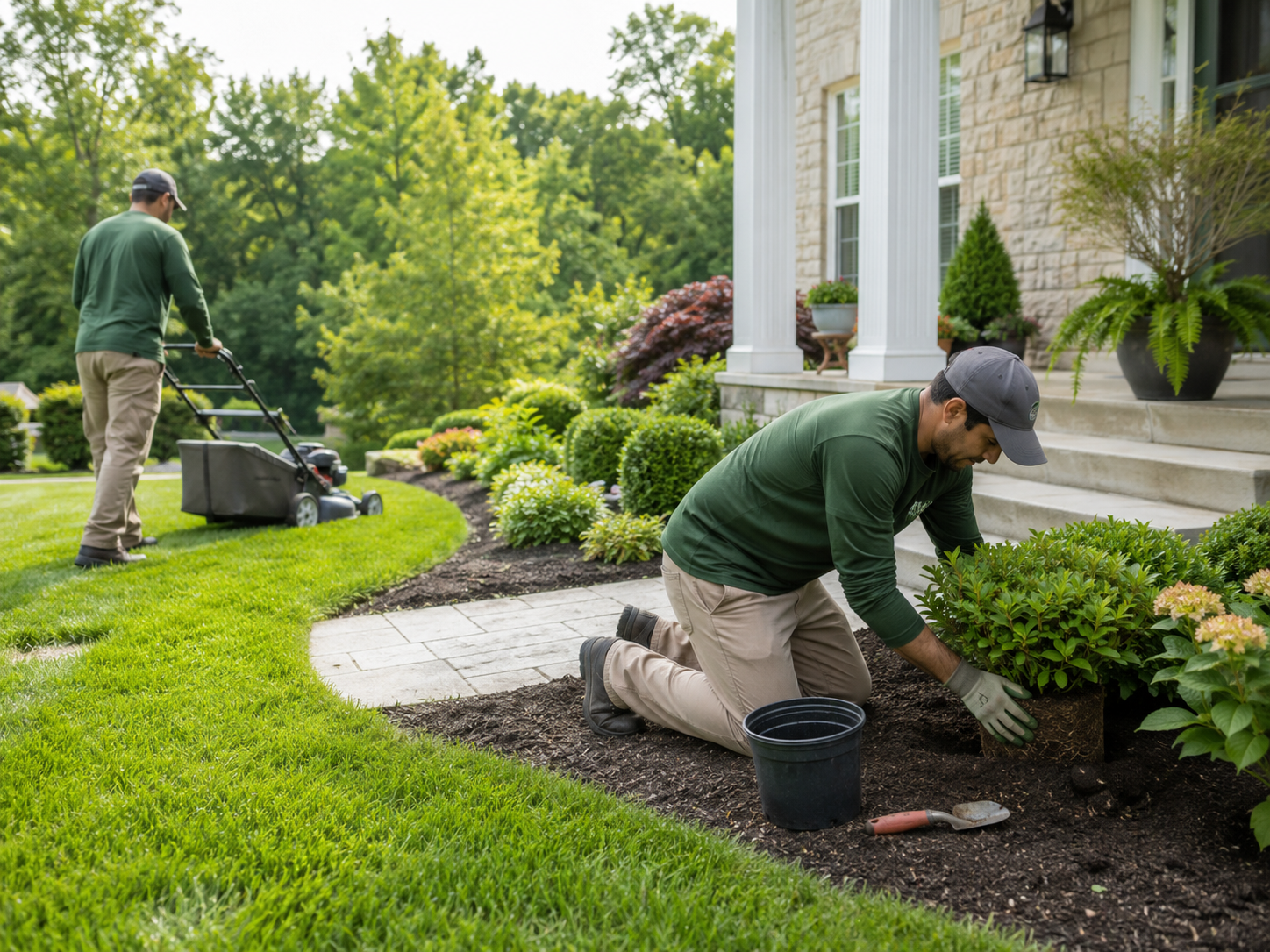
Vancouver’s climate and geography create particular challenges and opportunities for landscaping. The mild winters, the periodic drought summers, and the range of microclimates across the city mean that choosing the right landscaper matters more here than in many other Canadian cities. Here’s what you need to know about finding a good one.
Understanding Vancouver’s Climate for Landscaping
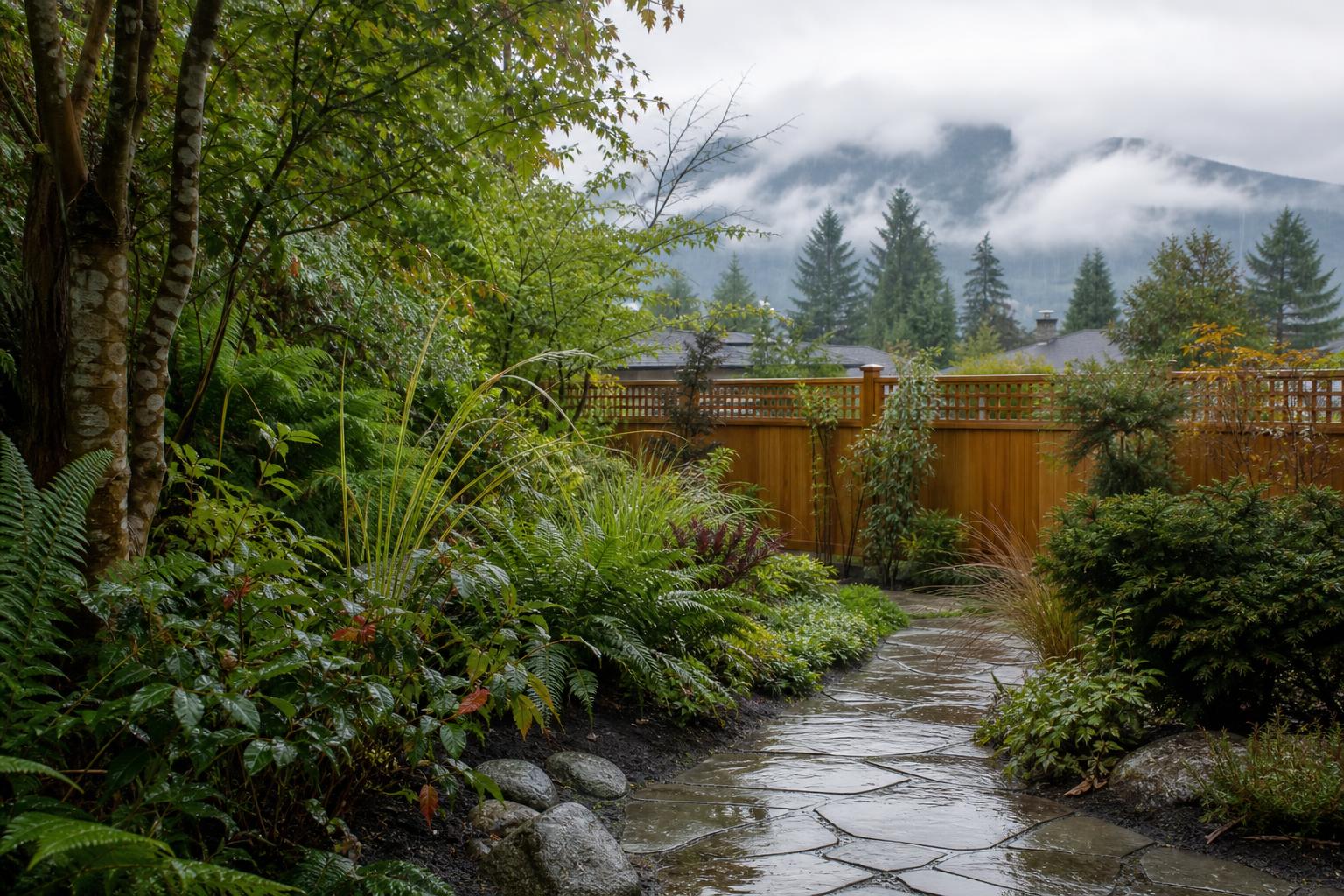
Vancouver’s climate zone allows for a wider range of plant material than most Canadian cities. The west coast creates a mild, temperate environment that can support Mediterranean-climate plants, drought-tolerant species, and traditional temperate garden plants all at once. A good Vancouver landscaper should be able to design a garden adapted to local conditions rather than simply importing designs from other climates. Native plant gardens, in particular, are increasingly popular and well-suited to the local rainfall patterns.
Designing for Vancouver’s Microclimates
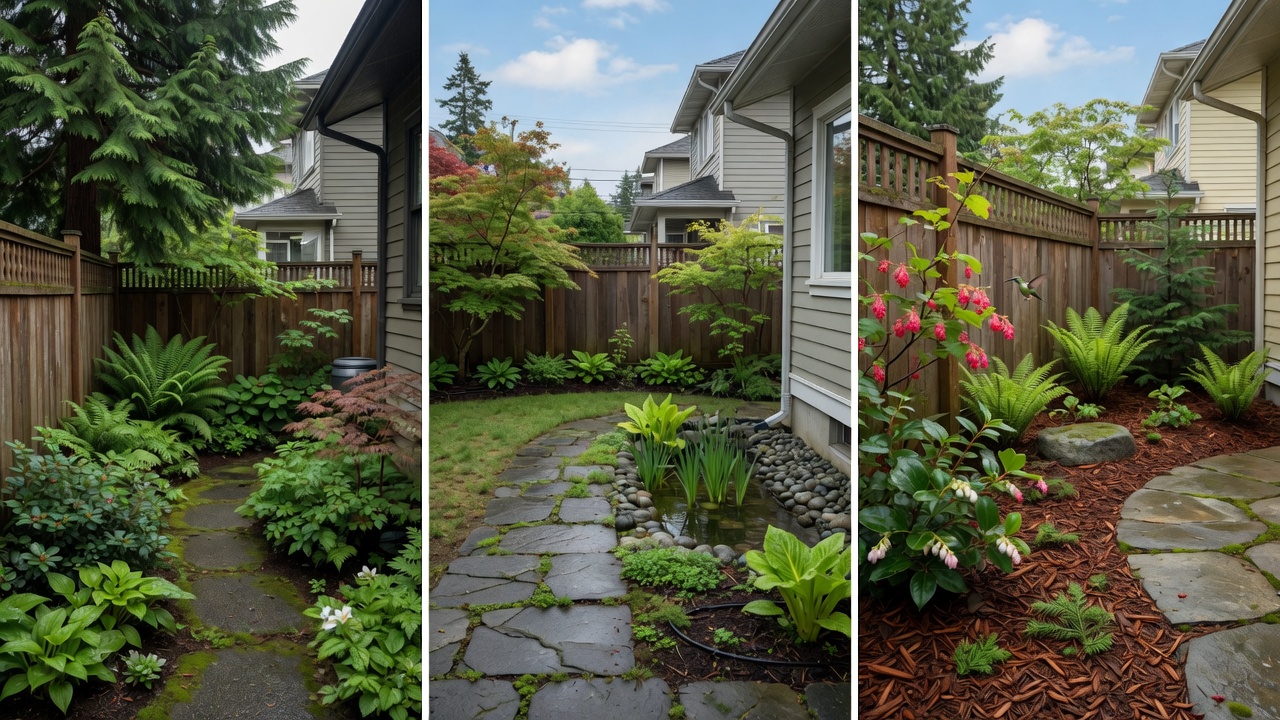
Vancouver has significant microclimate variation across the city. Areas near the ocean tend to be milder and wetter, while higher elevations and inland pockets can see more frost. A landscaper who knows the city will understand how these differences affect plant selection and placement. South-facing slopes warm earlier and stay warmer longer; shaded, north-facing yards, common on tight downtown lots, bring their own set of challenges. It’s worth asking a potential landscaper about their experience in your specific neighbourhood.
Water Management and Irrigation
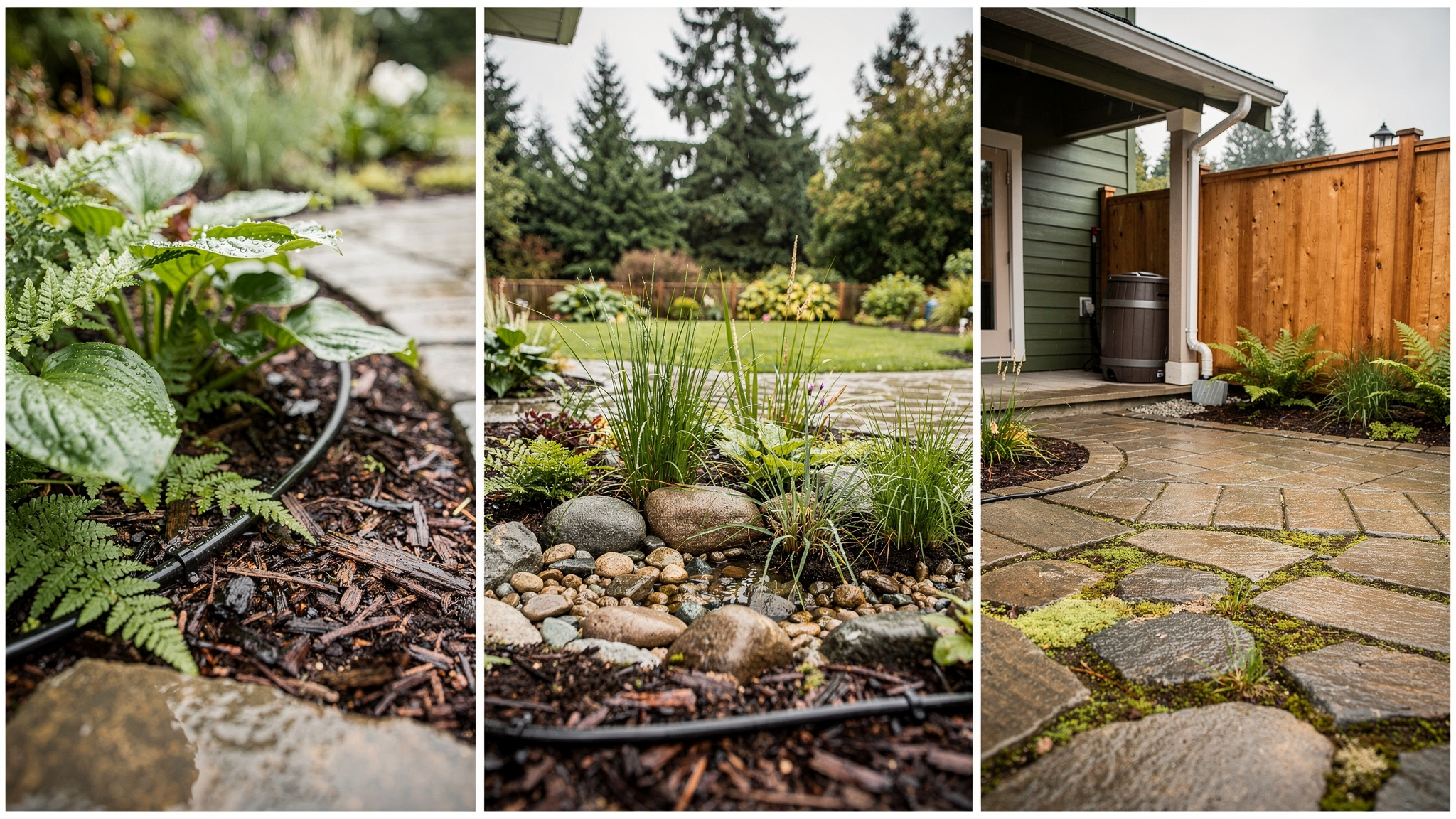
Vancouver’s dry summers make water management a real consideration in any landscape design. Drip irrigation, rainwater harvesting, and drought-tolerant planting are increasingly standard practice rather than premium add-ons. Permeable paving for driveways and patios has also grown in importance, given the city’s stormwater management direction. A good landscaper will address water at the design stage rather than treating it as an afterthought.
Native and Indigenous Plant Landscaping
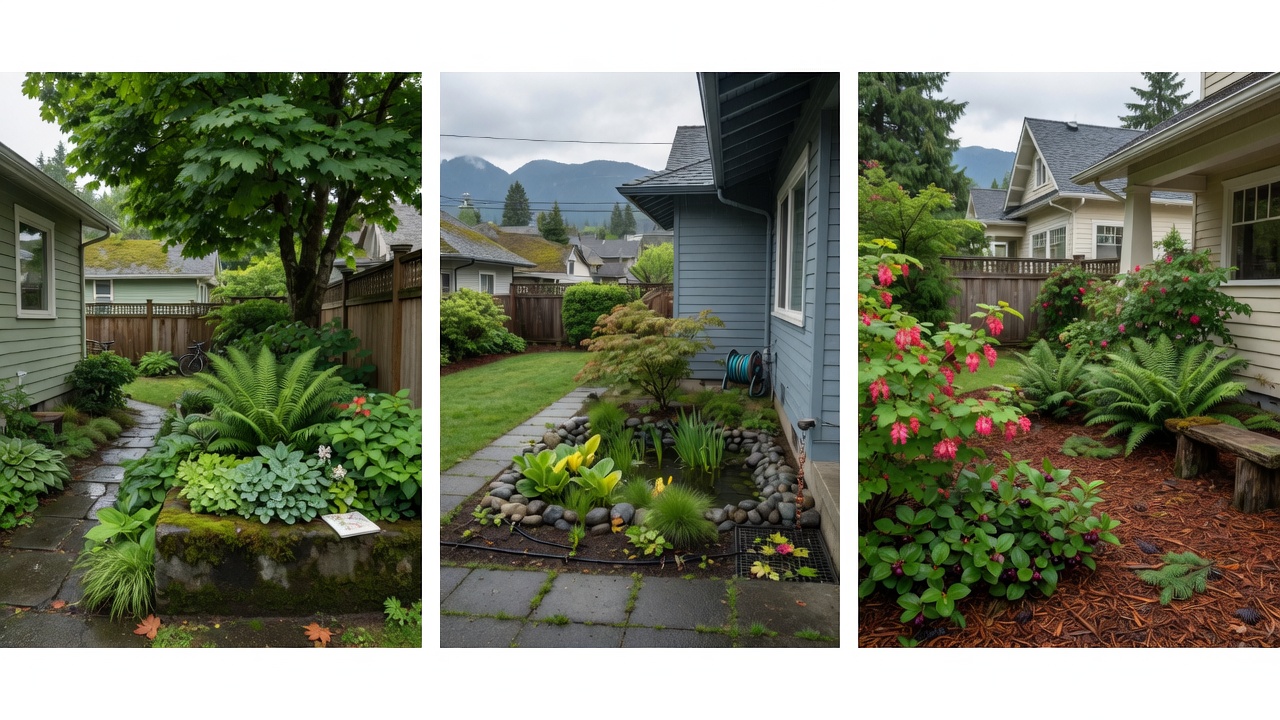
Native plant landscaping has become increasingly important in Vancouver, both for ecological reasons and for the practical maintenance advantages. Plants native to the Pacific Northwest generally need less water, less fertilizer, and less upkeep than non-native ornamentals once they’re established. Several local firms now focus on native and Indigenous plant design, and the city’s broader push toward green rainwater infrastructure, slowing rainwater and letting it soak into the ground rather than rushing into storm sewers, makes these approaches a natural fit. A landscaper who keeps up with current city direction on rainwater and permeable surfaces is worth seeking out.
Choosing a Reputable Contractor
Vancouver has a well-established landscaping industry, but quality varies. A good starting point is to look for contractors who are members of the BC Landscape and Nursery Association (BCLNA), the province’s leading horticultural trade association, whose member directory is a useful way to find established firms. Beyond that, ask for references from recent projects in your neighbourhood and actually follow up on them, and get at least three quotes before proceeding. A good landscaper will happily discuss their plant choices, their approach to water, and their maintenance recommendations rather than just handing you a price. Be cautious with anyone who demands large upfront payments or won’t put the scope of work in writing.
Questions Often Asked
What’s a reasonable budget for landscaping in Vancouver?
Costs vary widely with the scope of work, so treat these as rough ballparks. A basic garden refresh with new planting might start around three to five thousand dollars. A full front-yard redesign with hard landscaping, planting, and irrigation often runs in the range of fifteen to forty thousand dollars. Larger properties, or designs with water features, significant grading, or structural elements, can climb well beyond that. Get multiple quotes and make sure each one covers the same scope before you compare.
What’s the best time of year to landscape in Vancouver?
Early spring and autumn are generally the best planting seasons here, when the soil is workable and there’s natural moisture. Many firms are busiest in spring, which can mean longer lead times. Summer work is possible but needs more careful irrigation, and winter is limited by wet soil, though design and planning can carry on year-round.
Does the City of Vancouver offer incentives for water-smart landscaping?
The City has made green rainwater infrastructure, things like rain gardens, permeable paving, and rainwater harvesting, a major priority through its Rain City Strategy, and most new developments now face on-site rainwater management requirements under the Building By-law. Incentives and requirements for homeowners can change, though, so it’s best to confirm what currently applies to your property directly with the City of Vancouver, and to check with your water utility about any rebates for efficient irrigation. A landscaper who works in the city regularly should be able to help you design with eligible elements in mind.