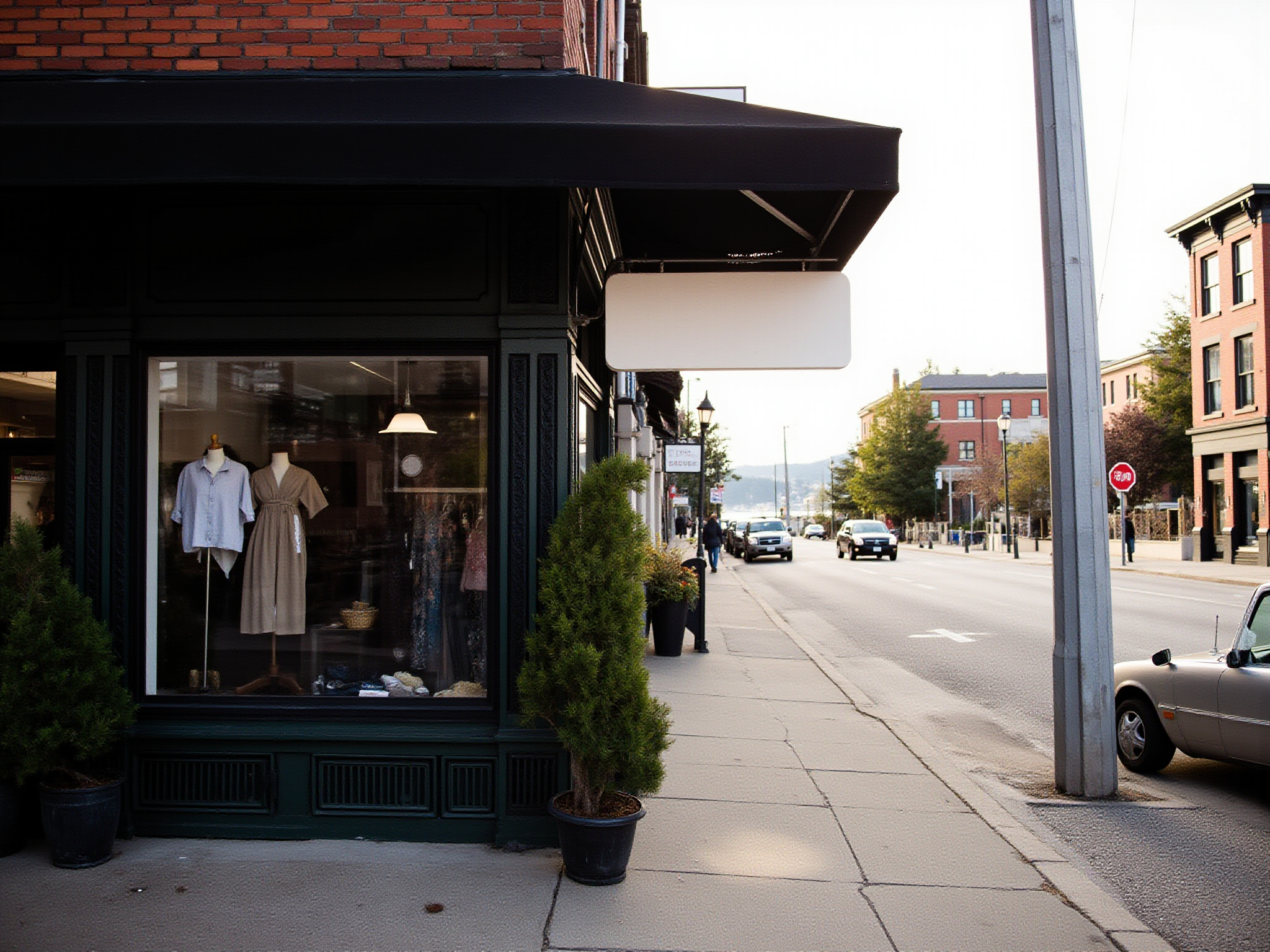

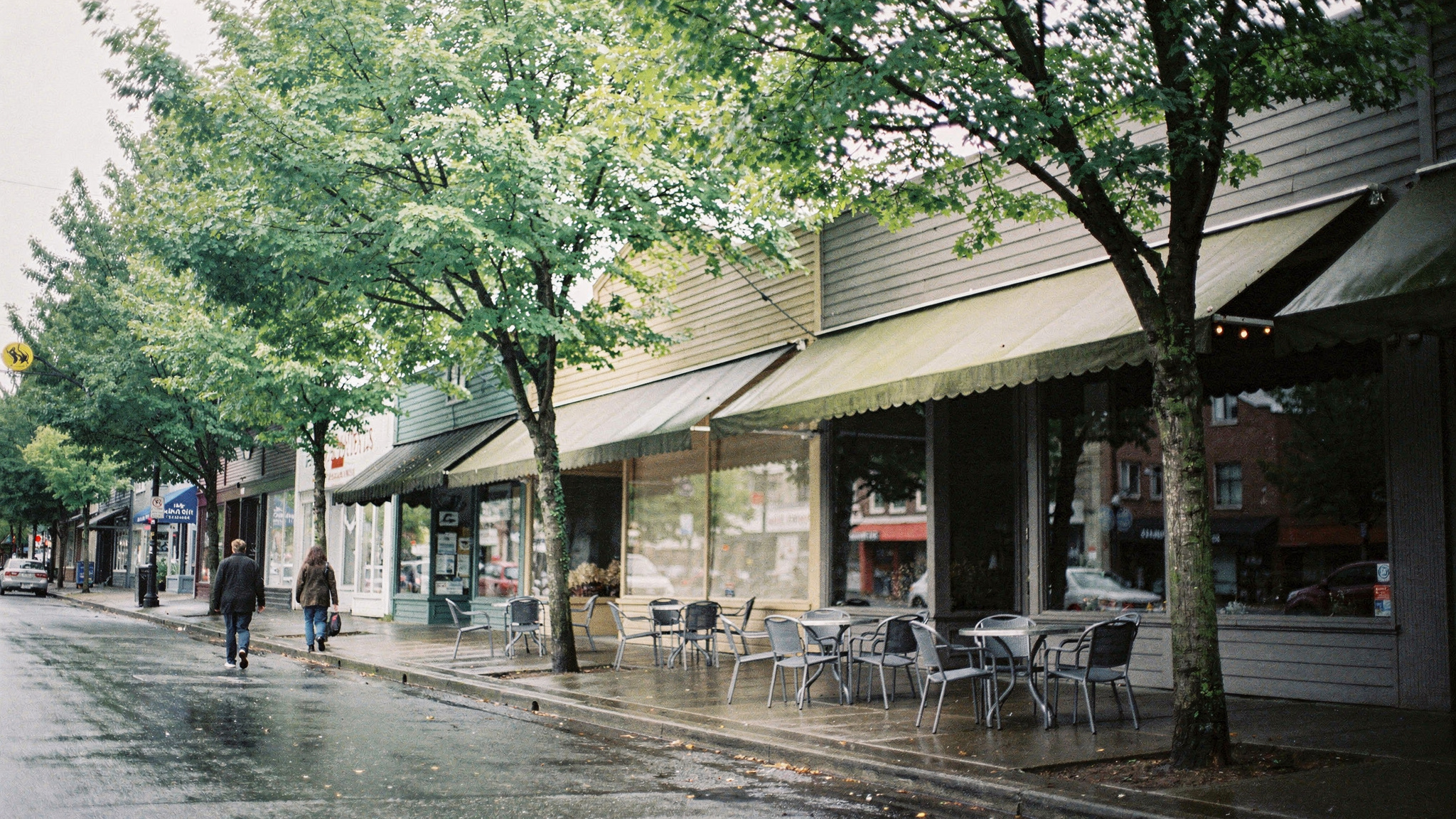
Commercial Drive runs through the heart of East Vancouver’s Grandview Woodland neighbourhood, and everyone who lives nearby just calls it The Drive. The street was originally laid out as Park Drive, a name it carried until 1911, when it was renamed Commercial Drive as the surrounding blocks filled in with shops and streetcar riders. Long before the condos and coffee culture, this was the commercial spine of a working class neighbourhood, and that layered history is still visible in the mix of old storefronts, delis, and family run restaurants that line the street today.
The northern stretch of The Drive is still known as Little Italy, a name that dates back to the wave of Italian immigrants who settled in the area after the Second World War. Later arrivals from Portugal, Latin America, East Africa, and South Asia broadened the neighbourhood considerably, and that layered immigration history is part of what makes walking The Drive today feel different from almost any other street in the city. Grandview Park, roughly at the midpoint of the strip, remains the social heart of the neighbourhood, a small green square where older residents still gather to talk and where the whole community turns out for the annual Italian Day street festival each June.
Grandview Park and Little Italy
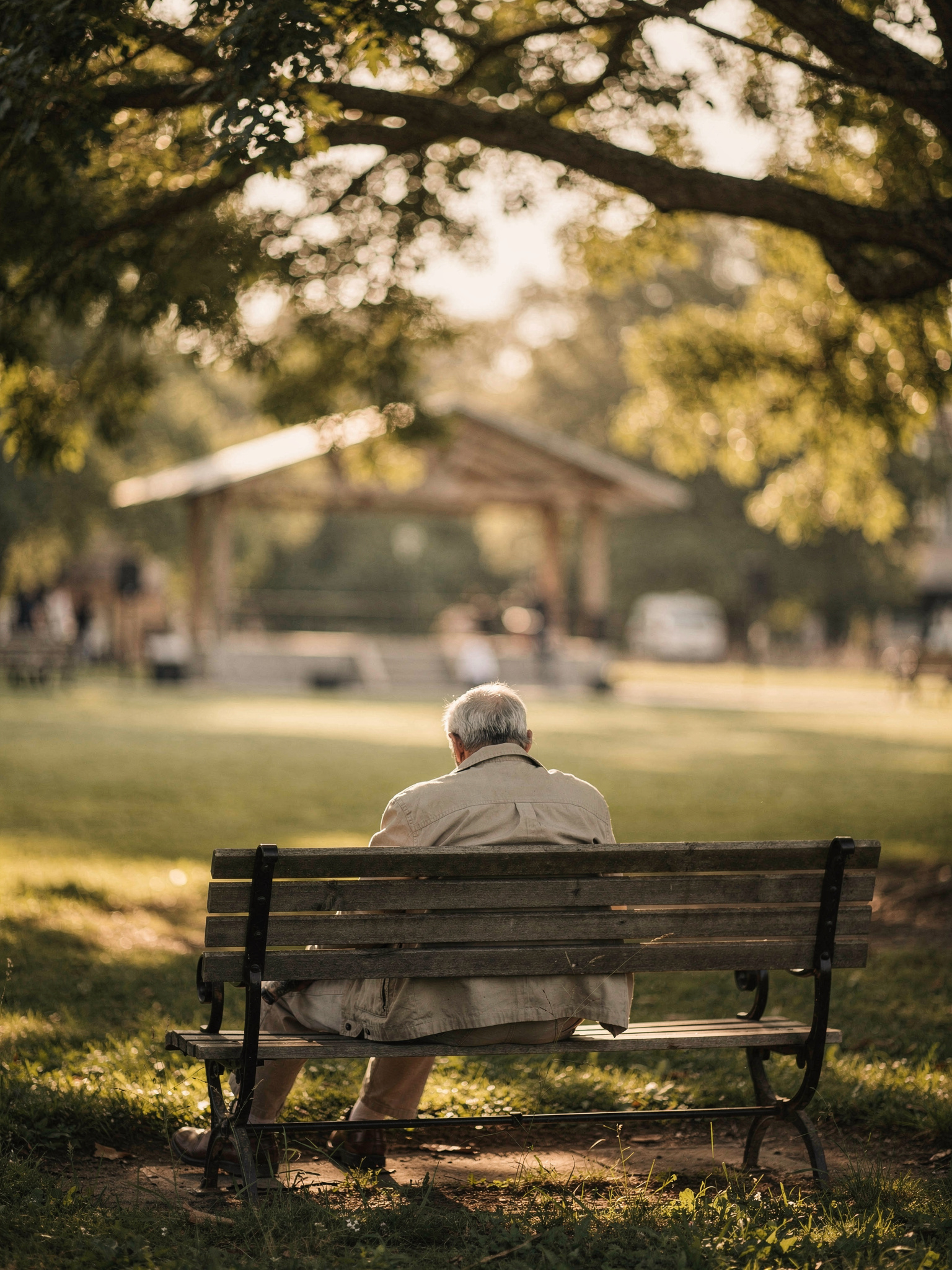
Grandview Park sits along Commercial Drive between William and Charles streets, a modest block of grass and mature trees that punches well above its size in terms of neighbourhood importance. It has a children’s play area, a small sports court, and a stage that hosts informal gatherings through the warmer months. On any given afternoon it is common to see older residents sitting on the benches watching the street, a habit that traces directly back to the Italian and Portuguese families who settled the surrounding blocks in the decades after the Second World War.
The blocks immediately north of the park are still referred to as Little Italy, home to some of the oldest cafes and delis on The Drive. Many of these businesses have been run by the same families for two or three generations, and the espresso bars along this stretch were serving properly made coffee in Vancouver decades before it became a citywide obsession. The neighbourhood’s Italian roots are celebrated most visibly each June at Italian Day, a large street festival that closes much of Commercial Drive to traffic and fills Grandview Park with music, food stalls, and dancing.
Even outside festival season, the park functions as a kind of open air living room for the neighbourhood. Games of bocce still turn up in and around the park on warm evenings, a tradition kept alive by longtime residents, and it remains one of the few spots in the city where you can watch a genuinely multigenerational slice of the neighbourhood mingle in one small public space.
Cafes and Coffee Culture
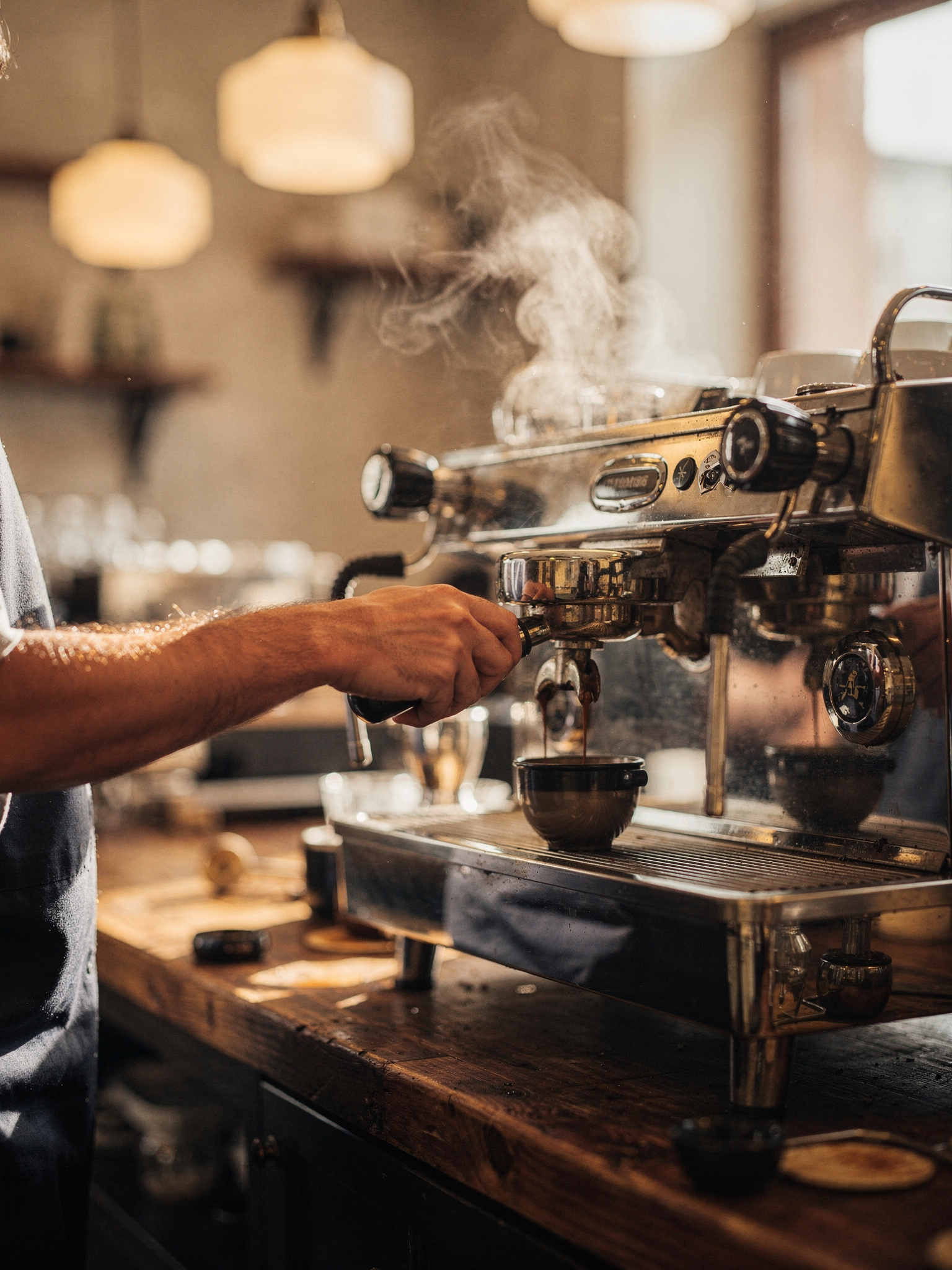
The Drive has one of the highest concentrations of independent cafes anywhere in Vancouver, and unlike many commercial strips in the city, chain coffee shops have never taken over here. The older Italian cafes near Grandview Park built their reputations on straightforward espresso drinks served quickly at the counter, a style closer to a European bar than a modern coffee shop, and several of those spots are still run by the families who opened them.
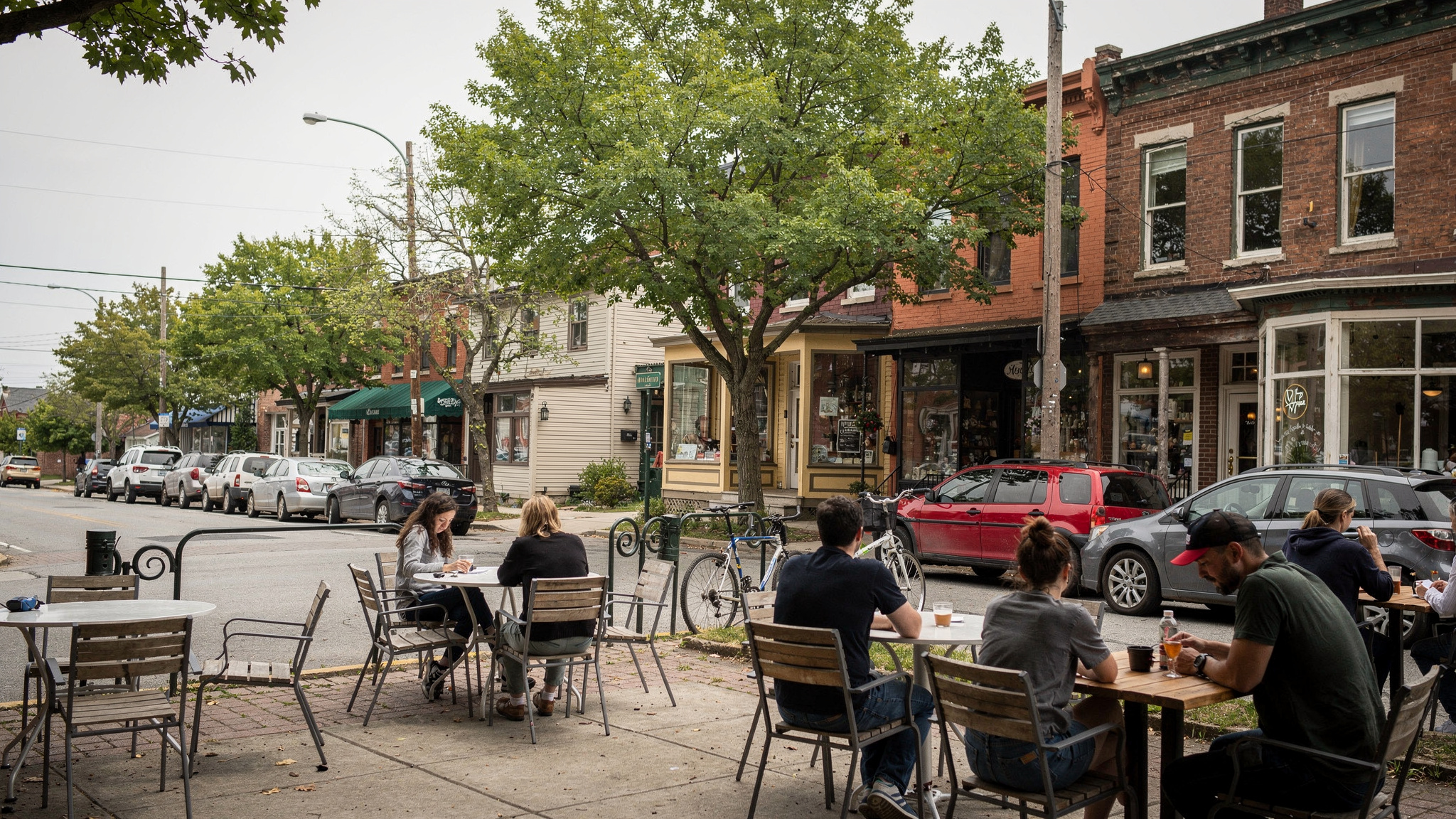
Further south and along the side streets, a newer generation of independent roasters and cafes has grown up alongside the original Italian spots, drawing a mixed crowd of longtime residents, students, and neighbourhood workers. The result is a street where you can get a fast standing espresso in one block and a slow pour over with a pastry case in the next, without ever encountering a corporate chain storefront. Patios are common along this stretch, and on sunny afternoons the sidewalk tables fill quickly with people watching the constant foot traffic pass by.
The density of cafes also makes The Drive a natural spot for lingering rather than rushing through. Most of the independent shops encourage sitting with a newspaper or a laptop for an hour or more, a habit that has shaped the unhurried, neighbourhood feel of the street even as the city around it has grown busier.
Restaurants and the Multicultural Food Scene
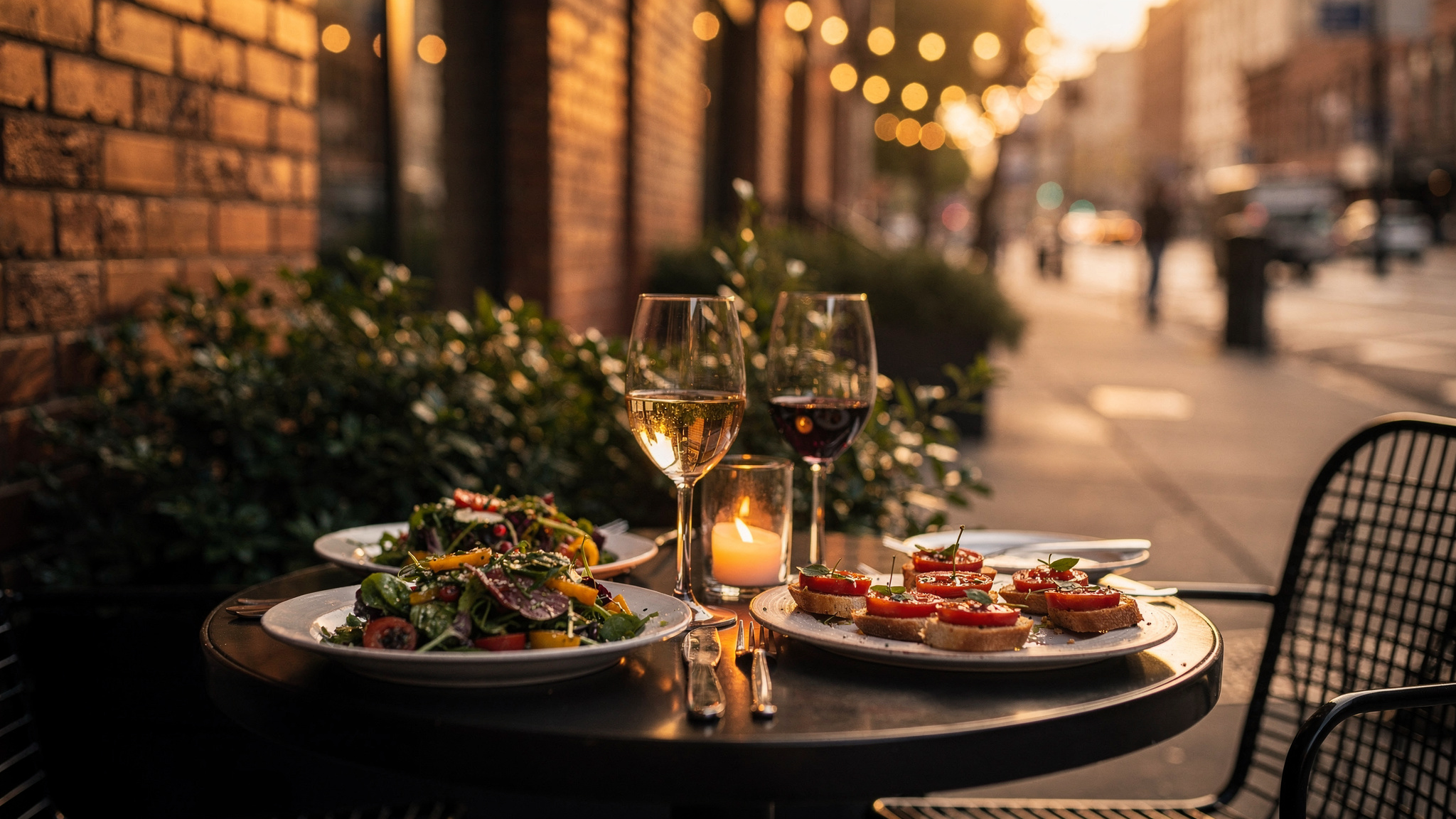
Commercial Drive’s restaurant scene reflects the layers of immigration that shaped the neighbourhood, and it is genuinely rare to walk more than a block without passing several different cuisines side by side. Italian trattorias and pizzerias remain concentrated near Little Italy in the north, while the middle and southern stretches of the street bring in Ethiopian and Eritrean restaurants, Latin American bakeries, Vietnamese and other Southeast Asian kitchens, and a strong vegetarian and vegan presence that has been part of the street’s identity since the neighbourhood’s countercultural years in the 1970s and 1980s.
Because so many of the restaurants are small, family run operations rather than chains, menus and hours can vary and a favourite spot from one visit might have changed its offerings by the next. That turnover is part of the street’s character rather than a drawback, and it rewards the kind of unplanned wandering that The Drive is built for. Grocers, bakeries, and specialty food shops selling imported Italian, Portuguese, and Ethiopian ingredients are woven in between the restaurants, making the street as good for putting together a meal at home as for eating out.
Prices along The Drive tend to stay reasonable compared with downtown or the trendier stretches of the city, in keeping with the neighbourhood’s working class roots. Cash still gets you further at some of the smaller, older establishments, and the street rewards visitors who are willing to pick a restaurant based on what looks busy and appealing rather than researching everything in advance.
Shops, Culture, and the Street’s Character
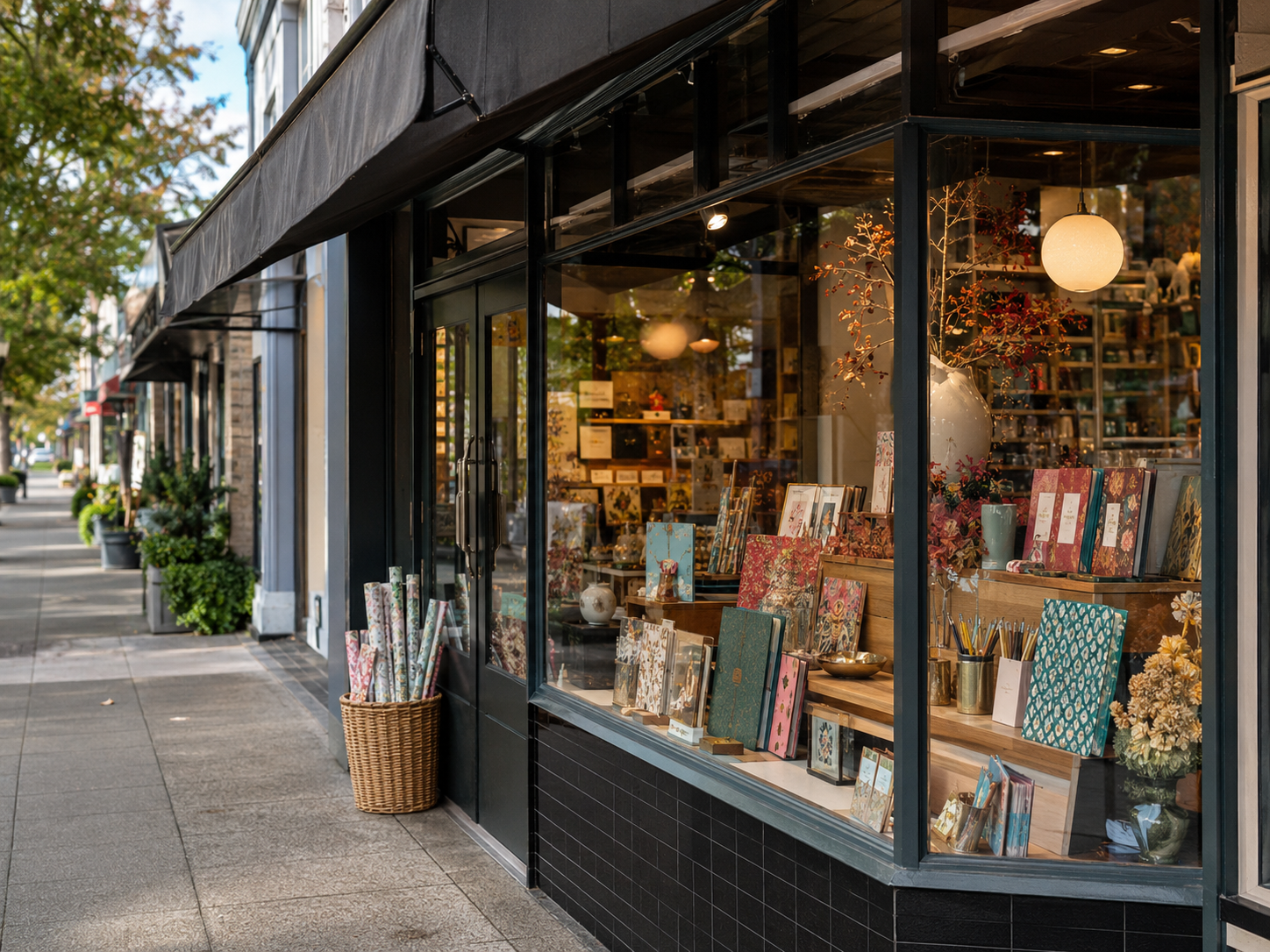
Beyond food, Commercial Drive has long supported independent bookshops, record stores, vintage clothing shops, and community focused businesses that have mostly disappeared from other Vancouver neighbourhoods as rents rose elsewhere. The street has a reputation, going back decades, as a gathering place for artists, activists, and a broadly countercultural crowd, and that history still shapes the mix of storefronts even as the surrounding real estate has become considerably more expensive.
Public art and murals appear regularly along the street and on the side streets branching off it, often reflecting the neighbourhood’s layered immigrant history or its long association with social movements and community organizing. The street level feel is dense and walkable, with narrow storefronts, awnings, and a lack of the wide setbacks and parking lots that define more suburban commercial strips in the region.
The Drive is also a transit-friendly street, served by frequent bus routes and within reasonable walking distance of the SkyTrain, which keeps it accessible without requiring a car. That accessibility has helped it stay a genuine neighbourhood main street rather than a destination shopping strip, used daily by the people who live nearby as much as by visitors coming to explore it.
Getting to Commercial Drive
Commercial Drive runs roughly north to south through Grandview Woodland, connecting from Powell Street near the waterfront in the north down through Grandview Park and continuing south toward Trout Lake. Most visitors approach from the Commercial-Broadway SkyTrain station, a major transit hub served by both the Expo and Millennium lines, which sits a short walk from the southern part of the strip near Broadway.
From Commercial-Broadway station, it is an easy walk north along Commercial Drive through the heart of the shopping and restaurant strip toward Grandview Park and Little Italy. Several TransLink bus routes also run the length of the street itself, useful if you want to cover more ground without walking the entire strip in one go.
Street parking exists along Commercial Drive and the surrounding residential blocks, though it can be tight on weekend evenings and during Italian Day in June. Given the strength of the transit connections, arriving by SkyTrain or bus is generally the easier option, especially since the street itself is best experienced on foot.
Practical Tips for Visiting The Drive
The street rewards slow, unplanned exploration more than a rigid itinerary. Rather than mapping out a single destination, it is worth simply walking the strip from Grandview Park in one direction or the other and stopping wherever looks busy or appealing.
Weekday mornings tend to be quieter and are a good time to experience the older Italian cafes near Grandview Park at their own unhurried pace. Weekend afternoons and evenings bring heavier foot traffic and fuller restaurant patios, particularly in warm weather.
If your visit lines up with the second Sunday in June, expect Italian Day to close much of the street to vehicle traffic and draw large crowds into Grandview Park itself. It is a lively time to visit, but arrive early if you want a table anywhere nearby.
Because many of the best spots on The Drive are small and independently run, some accept cash only or have limited seating. Carrying some cash and being flexible about where you land for a meal will make the visit smoother.
Questions Often Asked
Why is Commercial Drive called The Drive?
Commercial Drive is simply shortened to The Drive by locals as an easy, familiar nickname for the street, which runs through Vancouver’s Grandview Woodland neighbourhood. The street was originally named Park Drive before being renamed Commercial Drive in 1911.
Why is part of Commercial Drive called Little Italy?
The northern stretch of Commercial Drive earned the name Little Italy after large numbers of Italian immigrants settled in the surrounding blocks following the Second World War. Many of the neighbourhood’s oldest cafes, delis, and restaurants trace their roots to that community.
What is Grandview Park known for?
Grandview Park is a small park along Commercial Drive that functions as the social heart of the neighbourhood, popular with longtime residents and known for informal gatherings and games of bocce. It is also the central gathering point for the annual Italian Day street festival each June.
How do I get to Commercial Drive by transit?
The easiest approach is the Commercial-Broadway SkyTrain station, served by both the Expo and Millennium lines, which is a short walk from the southern end of the strip. Several TransLink bus routes also run along Commercial Drive itself.
What kind of food is Commercial Drive known for?
The street is known for its mix of Italian trattorias and cafes near Little Italy alongside Ethiopian, Latin American, Vietnamese, and vegetarian restaurants further along the strip, reflecting the neighbourhood’s long history of immigration.