
One of the quiet joys of living in Vancouver is how easily you can leave it for a day. Within an hour or two, by ferry, SeaBus, SkyTrain, or a scenic drive, you can be on a forested island, a granite-walled fjord, or a historic fishing village. We’ve pulled together our favourite day trips, the ones we actually take when we want a change of scenery without committing to a whole weekend, so you can pick the one that suits the day and the crew.
Bowen Island: A Forested Escape Across Howe Sound
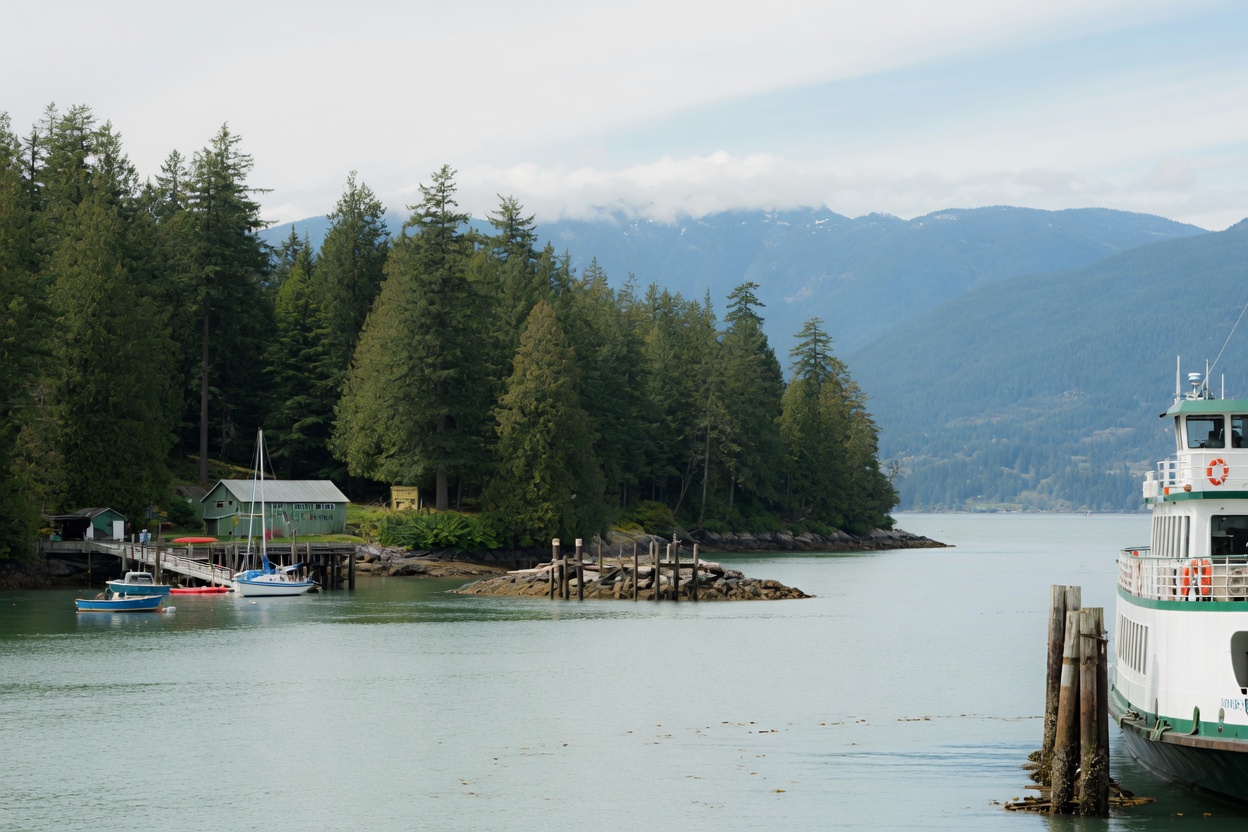
When you want a proper escape that still gets you home for dinner, Bowen Island is hard to beat. From Horseshoe Bay in West Vancouver it’s only a 20-minute ferry, yet stepping off at Snug Cove feels like arriving somewhere far away. The cove itself has a marina, a cluster of cafés and shops, and the trailheads for Crippen Regional Park, a local favourite for an easy forest walk or a picnic. If you’d rather be on the water, there are kayak and paddleboard rentals near the marina for exploring the sheltered shoreline. It’s the kind of unhurried day where you can hike a little, eat well, and ferry back before it ever feels like a mission.
| Destination | Getting There | Best For |
|---|---|---|
| Bowen Island (Snug Cove) | 20-min ferry from Horseshoe Bay | Forest walks, kayaking, a calm reset |
Deep Cove: A Postcard Village on the Doorstep
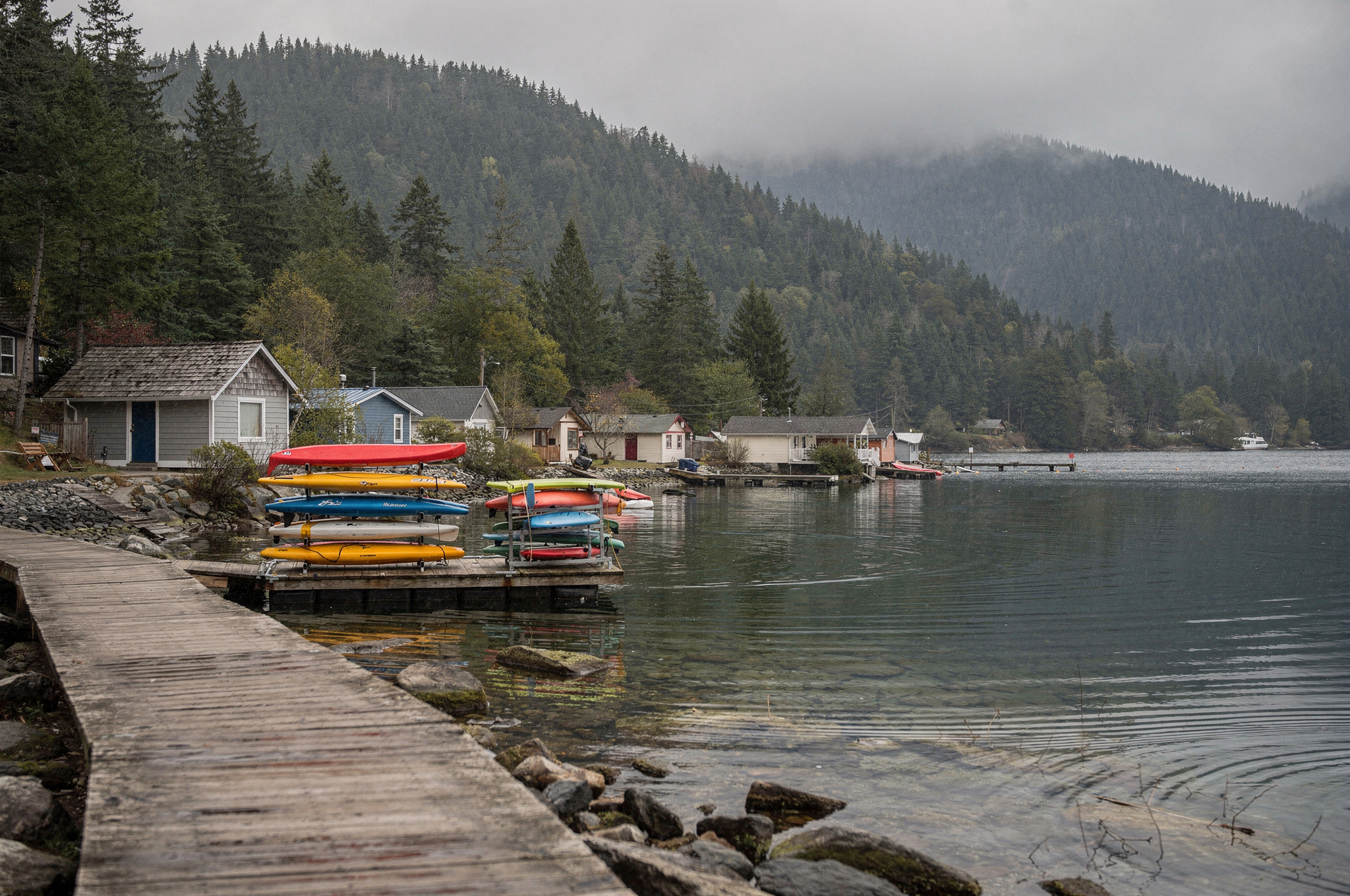
Deep Cove barely counts as “leaving” the city, it’s a short drive or a SeaBus-and-bus trip to North Vancouver, and yet it’s one of the prettiest half-days around. The village sits at the edge of a calm inlet that’s ideal for a first-time paddle, with kayak and SUP rentals right at the water. The big draw for many is the Quarry Rock hike, a popular 3.8-kilometre forest trail that rewards you with a sweeping lookout over the cove and the surrounding mountains. And no visit is complete without a stop at Honey Doughnuts & Goodies, a local institution that’s exactly the right way to end a walk. It’s a classic “half-day that turns into a full day,” because you’ll want to linger.
| Destination | Getting There | Best For |
|---|---|---|
| Deep Cove | Short drive, or SeaBus + bus to North Vancouver | Easy paddling, the Quarry Rock hike, doughnuts |
Steveston: A Historic Fishing Village in Richmond
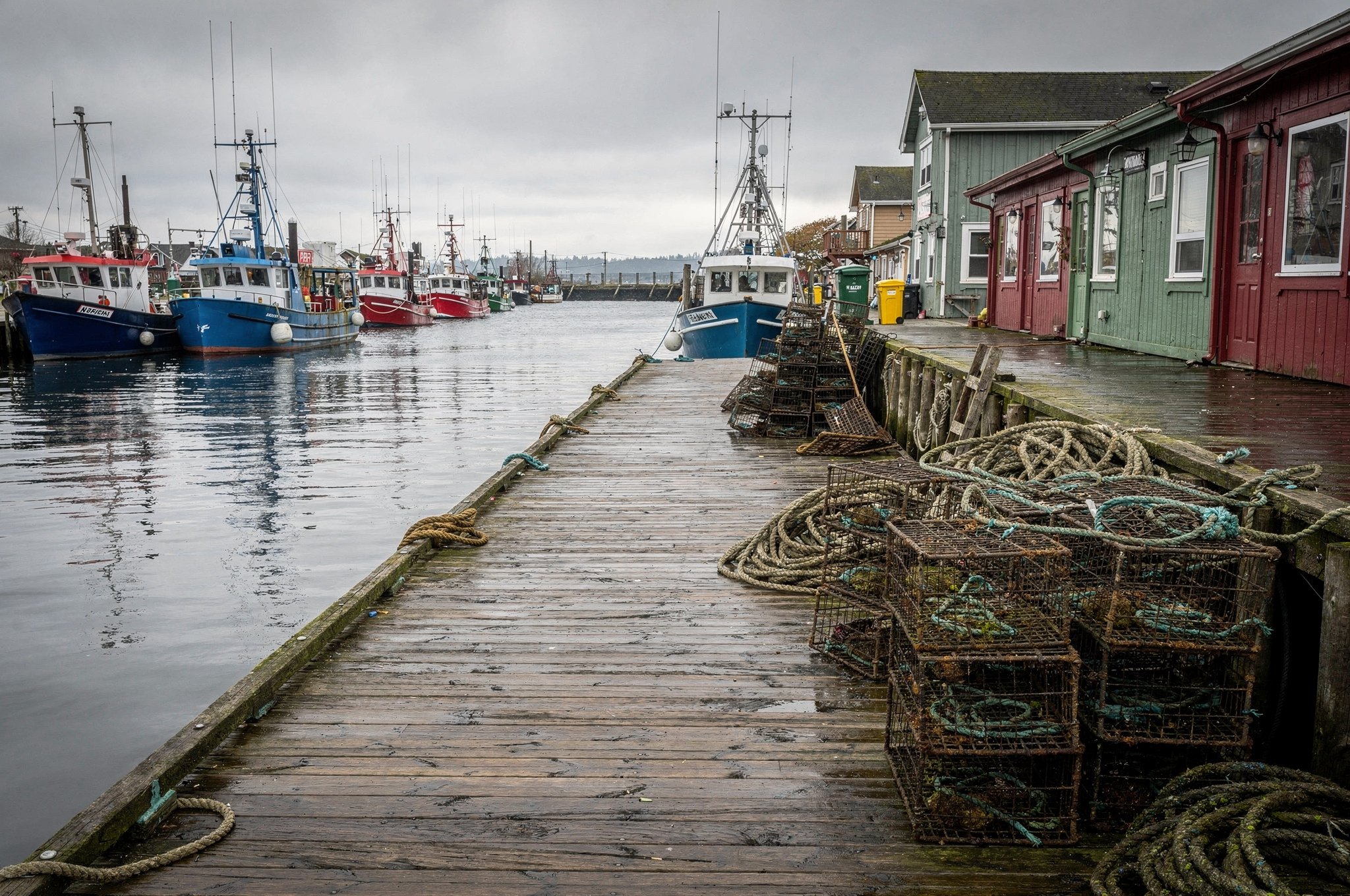
For a day with real character and not much driving, Steveston in Richmond is a gem, reachable by Canada Line SkyTrain and a short bus, no car required. This historic coastal village is built around Fisherman’s Wharf, where you can buy fresh seafood right off the boats, and the waterfront is genuinely walkable. History lovers can tour the Gulf of Georgia Cannery, a national historic site that tells the story of BC’s fishing industry, while Garry Point Park at the village edge offers open green space, sea views, and the Steveston Fishermen’s Memorial. It’s an easy, satisfying day that works for all ages.
| Destination | Getting There | Best For |
|---|---|---|
| Steveston (Richmond) | Canada Line + bus | Fresh seafood, cannery history, waterfront walks |
Squamish and the Sea-to-Sky: Scenery That Shows Off
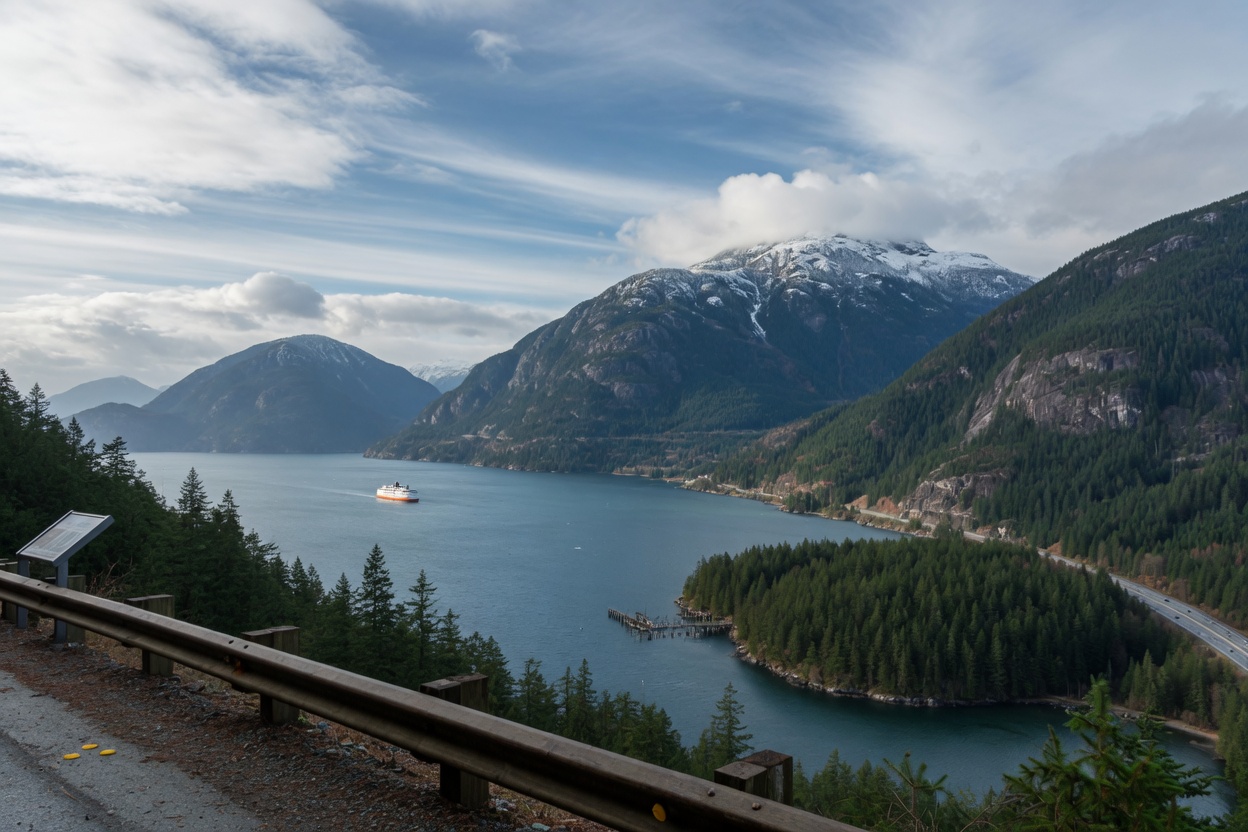
If you want drama, point the car north on the Sea-to-Sky Highway. Squamish sits under an hour from Vancouver, and the drive alone, hugging the edge of Howe Sound, is half the reward. Along the way, Shannon Falls Provincial Park puts you at the foot of one of the province’s tallest waterfalls, and the Sea to Sky Gondola lifts you high above the sound for panoramic views and easy ridgetop walks. Climbers and hikers know Squamish for the Stawamus Chief, a massive granite monolith, and in winter the nearby Brackendale area is famous for its gathering bald eagles. A word of advice locals learn the hard way: pick one or two stops and enjoy them properly rather than trying to do the whole highway in a day.
| Destination | Getting There | Best For |
|---|---|---|
| Squamish / Sea-to-Sky | ~1-hour drive north on Hwy 99 | Waterfalls, the gondola, granite and eagles |
Fort Langley: A Village Steeped in History
For a gentler, history-minded day to the east, Fort Langley is a lovely choice, reachable by SkyTrain to Surrey Central and a connecting bus. The village still feels like a village: small, walkable, and centred on a real sense of place along the Fraser River. The Fort Langley National Historic Site brings the early fur-trade era to life, and the surrounding streets are full of cafés, antique shops, and riverside walks that feel especially peaceful on a weekday. It’s an easy half-day, or a full one if you slow down and let yourself wander.
| Destination | Getting There | Best For |
|---|---|---|
| Fort Langley | SkyTrain to Surrey Central + bus | Fur-trade history, village strolling, the riverfront |
Questions We Hear About Vancouver Day Trips
Which day trip is best if I don’t have a car?
Several work beautifully on transit. Steveston (Canada Line plus a bus), Deep Cove (SeaBus plus a bus), and Bowen Island (bus to Horseshoe Bay, then the ferry) are all easy car-free. Squamish and Whistler are more comfortable with a car or a pre-booked shuttle, since their attractions are spread out.
What’s the best day trip with kids?
Steveston is a reliable family win, walkable, with the wharf, the cannery, and open park space at Garry Point. Deep Cove also suits families, with its calm water and the gentle village setting.
How far ahead should I plan?
For ferry trips like Bowen Island, it helps to check the sailing schedule and aim for a weekday in summer to avoid the busiest crossings. For the Sea-to-Sky, an early start beats the traffic and gives you time to enjoy a stop or two without rushing.
When’s the best season for these trips?
Late spring through early fall offers the easiest conditions for the hikes and waterfront stops, but the shoulder seasons are underrated, fewer crowds and cooler temperatures. Winter shifts the focus north, where Whistler and the Sea-to-Sky come into their own for snow.
Are there options for an overnight if a day isn’t enough?
Plenty of these spots reward a longer stay, Squamish and Whistler in particular have a full range of accommodation if you decide to extend. For a true day trip, though, every destination here is comfortably doable in a single day from Vancouver.